Sacred Scents & Stillness
How Fragrance Can Become Part of a Reflective Ramadan Routine
Ramadan changes the rhythm of everyday life.
Meals shift. Sleep patterns change. Homes feel different. Familiar routines take on new meaning, and moments of prayer, reflection, generosity, and gathering become more intentional.
For many people, fragrance can become part of that atmosphere.
A soft fragrance oil before quiet reflection. Bakhoor moving gently through the home before guests arrive. A familiar aroma returning each evening until it becomes associated with the season itself.
Fragrance does not create devotion.
It can become part of the environment in which devotion is practiced.
That distinction matters.
At Fragrance & Things, we think about fragrance during Ramadan not as a shortcut to calm, focus, or spirituality, but as one sensory element that can become woven into meaningful routines, memories, hospitality, and personal reflection.
Why Scent Can Become Meaningful During Ramadan
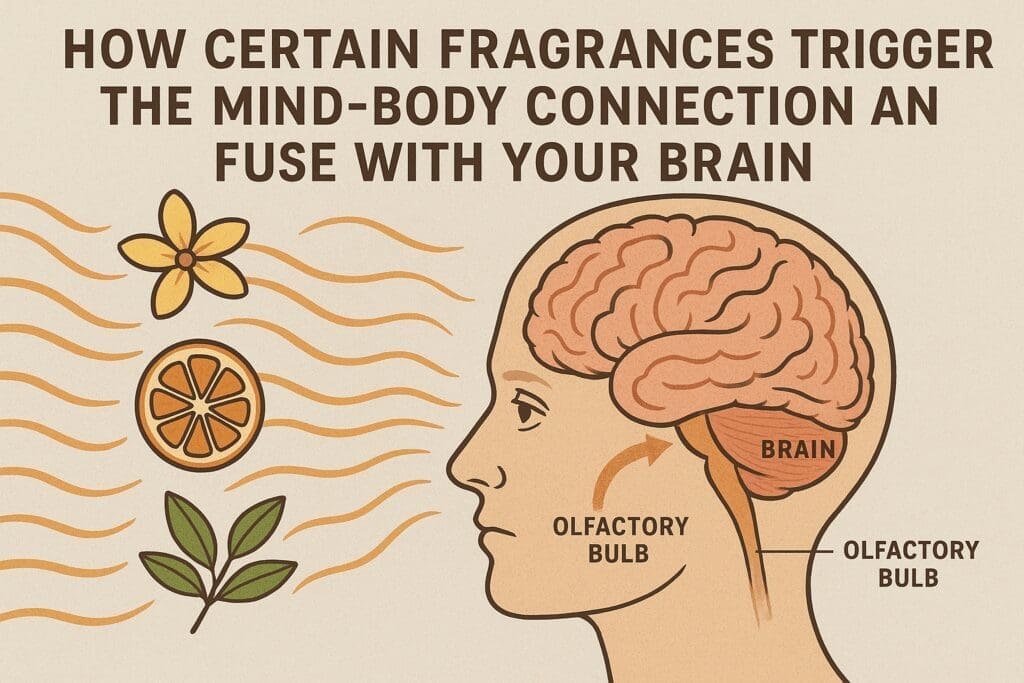
Our sense of smell has a close relationship with memory and emotion.
When a fragrance appears repeatedly during a meaningful experience, the aroma can gradually become associated with that experience.
This is not unique to Ramadan.
The same process helps explain why the smell of a particular home can remind us of family, why one fragrance recalls a wedding or journey, or why Bakhoor can bring back memories of celebrations and gatherings from years earlier.
During Ramadan, repetition creates many opportunities for those associations to develop.
- the same fragrance worn before evening prayer;
- the same Bakhoor burned before family arrives;
- the same aroma present during Qur’an reading or journaling;
- the same home fragrance accompanying iftar throughout the month.
Over time, the fragrance may begin to remind you of the routine, the people, and the experiences connected with it.
Fragrance Anchors™ and the Memory of Ramadan
At Fragrance & Things, we use the term Fragrance Anchor™ for a scent that becomes strongly connected to a meaningful person, place, tradition, life chapter, experience, or emotional state.
Ramadan can naturally create these kinds of associations because the month contains so many repeated sensory experiences.
A particular musk may eventually remind you of quiet mornings before the day begins.
A familiar Oudh may become connected with family evenings.
Bakhoor burned before guests arrive may become inseparable from memories of hospitality.
The fragrance does not hold those memories inside the bottle.
The meaning develops because scent and experience repeatedly meet.
How a Ramadan Fragrance Anchor™ Can Develop
FRAGRANCE
↓
REPEATED RAMADAN ROUTINE
↓
ASSOCIATION
↓
MEMORY
↓
MEANING
A Reflective Fragrance Routine Can Be Simple
A Ramadan fragrance routine does not need to be elaborate.
It can be as simple as choosing one fragrance and allowing it to accompany a recurring part of the day.
- Choose one fragrance with personal meaning.
- Select one recurring Ramadan moment.
- Use the fragrance lightly and consistently.
- Allow the routine to develop naturally without forcing an emotional response.
For example, you might reserve one fragrance oil for quiet evening reflection throughout Ramadan.
After repeated use, the scent may begin to remind you of those evenings because it has become a familiar part of the routine.
Repeated fragrance use can create association. It does not guarantee a particular spiritual or emotional state.
Personal Fragrance Before Prayer or Reflection
Some people enjoy applying a small amount of fragrance oil before prayer, Qur’an reading, journaling, or private reflection.
The fragrance can become part of preparing for the moment in the same way someone might intentionally choose a quiet space, reduce distractions, or change into clean clothing.
The key is intention and restraint.
There is no need to apply a large amount for the fragrance to become personally meaningful.
In fact, a close-wearing fragrance oil may be more appropriate when the goal is personal experience rather than projecting scent into a shared space.
Private Fragrance and Shared-Space Fragrance Are Different
One of the most important principles from the Fragrance Context Framework™ is that fragrance is sometimes shared.
A fragrance you enjoy privately may affect other people very differently in a mosque, gathering, workplace, vehicle, or other enclosed environment.
Before applying fragrance for a shared setting, consider:
- how much fragrance presence is appropriate;
- how close you will be to other people;
- whether the environment is enclosed;
- whether anyone nearby may be sensitive to strong fragrance;
- local customs or expectations for the setting.
Fragrance awareness includes awareness of the people around us.
Bakhoor and the Ramadan Home
Ramadan fragrance is not limited to personal fragrance oils.
Bakhoor can become part of the atmosphere of the home—particularly before guests arrive, around family gatherings, or during moments when the household is transitioning from ordinary routine into something more intentional.
Burned safely and with good ventilation, Bakhoor can add warmth and fragrance presence to a room.
But, as with personal fragrance, more is not automatically better.
The goal is not to fill the home with the greatest amount of smoke. The goal is to create the level of fragrance presence that fits the moment.
If you are new to Bakhoor, begin with our guide to How to Burn Bakhoor at Home Safely.
Scented Hospitality During Ramadan
Ramadan is also deeply connected with hospitality.
Family and friends gather. Meals are shared. Guests arrive for iftar or spend time together later in the evening.
Fragrance can become part of preparing the home for those experiences.
This is what we call Scented Hospitality: choosing fragrance intentionally as part of the way a space welcomes people.
That might mean:
- burning a small amount of Bakhoor before guests arrive;
- choosing a familiar home fragrance associated with family tradition;
- using fragrance early enough that the room feels scented rather than smoky when guests enter;
- allowing fresh air and ventilation to keep the atmosphere comfortable.
The fragrance becomes part of the welcome without needing to dominate it.
Fragrance Can Mark Transitions Through the Day
Ramadan contains natural transitions.
Before dawn.
The fasting day.
Iftar.
Evening prayer.
Family time.
Quiet moments late at night.
Fragrance can become one of the sensory cues that distinguishes one type of moment from another.
A personal musk might belong to a quiet part of the evening.
Bakhoor might belong to hospitality.
A richer Oudh fragrance might become associated with celebration or family gathering.
The value comes from the association—not from claiming that a particular scent has a fixed spiritual function.
Choosing a Ramadan Fragrance by Intention
If you want fragrance to become part of your Ramadan routine, begin with the role you want it to play.
Choose the Role Before the Scent
PERSONAL REFLECTION
Consider a close-wearing fragrance you genuinely enjoy and can associate with a quiet routine.
HOSPITALITY
Consider Bakhoor or another home-fragrance experience that feels welcoming without overwhelming the space.
FAMILY TRADITION
Choose an aroma already connected with meaningful people, gatherings, or familiar customs.
NEW MEMORY
Choose one distinctive fragrance and allow it to accompany this Ramadan so new associations can develop naturally over time.
Your Fragrance Identity™ Is a Starting Point, Not a Rule
Your Fragrance Identity™ may help you identify the fragrance experiences that tend to feel most natural to you.
But Ramadan does not require a particular fragrance identity.
A Sacred Ritual identity may naturally appreciate reflective or atmospheric fragrance experiences, but someone aligned with Royal Oudh, Soft Musk, Clean Luxury, or Modern Sweet can also create a meaningful Ramadan fragrance routine.
The important question is not:
“Which fragrance identity is most spiritual?”
There is no such hierarchy.
A better question is:
“Which fragrance experience feels appropriate for the role I want scent to play in this moment?”
Fragrance Should Support the Moment, Not Compete With It
This principle applies throughout Ramadan.
If fragrance becomes distracting, overpowering, uncomfortable for other people, or more important than the activity itself, the balance has been lost.
Fragrance works best as a companion.
Present enough to contribute.
Quiet enough not to take over.
A Seven-Day Fragrance Reflection Practice
If you want to explore fragrance intentionally during Ramadan, try a simple seven-day reflection practice.
- Choose one fragrance oil you genuinely enjoy.
- Select one quiet recurring moment during your day.
- Apply only a small amount.
- Notice the fragrance without expecting it to create a particular feeling.
- Continue your normal reflective routine.
- Repeat for seven days.
- At the end of the week, ask what memories, associations, or meanings—if any—have begun to develop.
There is no correct result.
The purpose is awareness.
You are observing how fragrance becomes connected with experience rather than trying to force the experience through fragrance.
What Fragrance Cannot Do
It is important to keep Ramadan fragrance in perspective.
- Fragrance does not make prayer more valid or meaningful.
- Fragrance does not guarantee concentration or stillness.
- Fragrance does not create spirituality.
- Fragrance does not replace intention, worship, rest, reflection, or community.
- No particular scent is required in order to have a meaningful Ramadan experience.
Its role is much simpler.
Fragrance can become part of the sensory environment surrounding a meaningful practice.
When Ramadan Ends, the Fragrance May Remain
One of the most beautiful aspects of fragrance is that its meaning can outlast the moment in which it was first created.
Months later, the fragrance you wore throughout Ramadan may unexpectedly bring the season back to mind.
The Bakhoor used during family gatherings may remind you of voices, meals, laughter, prayer, and people gathered in the same room.
A simple fragrance routine may become part of how you remember a particular year of your life.
That is the deeper relationship between fragrance and ritual.
Not that scent creates meaning by itself.
But that, over time, human experience can give scent meaning.
The fragrance may last for hours. The memory it becomes connected to may last much longer.
For a deeper look at how scent becomes associated with memory and experience, continue with The Science of Scent: How Fragrance Connects With Mood, Memory, and the Brain.
The Fragrance & Things Knowledge Journey
Fragrance as Companion.
Meaning Through Experience.
A Ramadan fragrance routine can become meaningful when scent is allowed to accompany reflection, hospitality, tradition, and memory without being asked to create those experiences by itself.
Continue Learning
UNDERSTAND SCENT & MEMORY
CREATE HOME ATMOSPHERE
USE BAKHOOR SAFELY
Choose a Fragrance for Your Quiet Moments
Explore concentrated fragrance oils and choose an aroma you would enjoy allowing to accompany your personal Ramadan routine.
Explore Fragrance Oils →Create a Welcoming Ramadan Atmosphere
Explore Bakhoor for hospitality, family gathering, tradition, and the home-fragrance experiences that may eventually become part of Ramadan memory.
Explore Bakhoor →