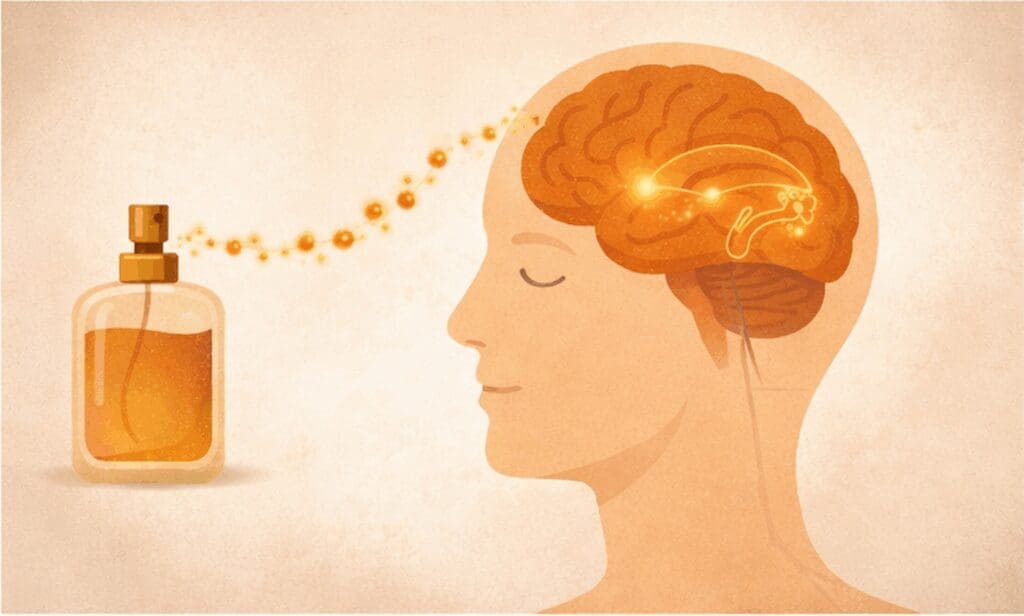
How Fragrance Shapes the Atmosphere of a Home
The Role of Bakhoor, Oudh, Memory, Hospitality, and Ritual in Creating Meaningful Spaces
Walk into certain homes and you immediately feel something before anyone says a word.
The space may feel warm. Calm. Elegant. Familiar. Welcoming. Reflective.
Part of that experience comes from light, sound, color, architecture, and the people who inhabit the space.
But fragrance can become part of that atmosphere too.
The aroma of Bakhoor drifting through a room before guests arrive. The depth of Oudh lingering after an evening gathering. A familiar musk woven into fabrics and clothing. Rose, amber, sandalwood, or incense becoming associated with prayer, celebration, hospitality, or quiet moments at home.
Fragrance does not only shape how we experience ourselves.
Fragrance can also become part of how we experience a place.
This is where personal fragrance expands into something larger: atmosphere.
A Home Has a Sensory Identity
We often think about the visual identity of a home.
Furniture. Textiles. Lighting. Artwork. Colors. Architecture.
But every home also develops a sensory identity.
The sound of familiar voices. The texture of certain fabrics. The aroma of food being prepared. The scent of freshly cleaned rooms. The fragrance burned before guests arrive.
Over time, these details begin working together.
A particular aroma can become so closely connected to a home that encountering it elsewhere immediately brings that space back to mind.
That is one of the reasons fragrance can play such a meaningful role in hospitality, family tradition, and personal ritual.
The Fragrance Atmosphere Framework™
At Fragrance & Things, we think about environmental fragrance through four elements:
The Fragrance Atmosphere Framework™
SPACE
Where will the fragrance be experienced?
PURPOSE
What is the space meant to support—hospitality, reflection, celebration, comfort, or everyday living?
PRESENCE
How noticeable should the fragrance feel within the room?
MEMORY
What traditions, people, occasions, or emotional associations should the aroma evoke?
These four elements help shift the question from:
“What should my home smell like?”
to something more useful:
“What kind of experience do I want this space to create?”
1. Space: Where Will the Fragrance Live?
Every room has its own scale, airflow, purpose, and personality.
A fragrance that feels beautifully balanced in a large living room may feel far more intense in a small bedroom or enclosed entryway.
Likewise, an aroma that seems subtle in an open space may feel much more noticeable when fabrics, rugs, curtains, and furniture begin holding traces of it.
Before burning Bakhoor or introducing another environmental fragrance, consider:
- How large is the room?
- Is the space enclosed or open?
- Is there good airflow?
- Are people sitting close to the fragrance source?
- Will the fragrance remain in fabrics after the burner is removed?
Good fragrance atmosphere begins with awareness of the space itself.
2. Purpose: What Should the Space Support?
A home is rarely used for only one kind of experience.
The same living room might support a quiet morning, an afternoon visit, a family gathering, or a festive evening.
Each situation may call for a different fragrance atmosphere.
For example:
- Hospitality: Warm, welcoming fragrances that create a sense of generosity and presence.
- Reflection: Softer, grounding aromas that support calm and quiet.
- Celebration: Richer or more expressive fragrance profiles that feel memorable and festive.
- Everyday Living: Balanced aromas that complement the home without dominating it.
- Evening Atmosphere: Deeper woods, amber, Oudh, or Bakhoor that create warmth and depth.
The fragrance should support the experience rather than compete with it.
3. Presence: How Much Fragrance Is Enough?
Environmental fragrance has presence.
That presence can be subtle, noticeable, or dominant.
More fragrance is not automatically better.
When Bakhoor is burned, especially on charcoal, the aroma can develop quickly and spread throughout surrounding rooms. In some homes, that richness is intentional and deeply traditional. In others, a lighter touch may better suit the space.
The goal is not necessarily to make every corner of the home smell intensely fragrant.
The goal is to create the level of presence that matches the purpose of the moment.
Atmosphere is created through balance, not volume.
4. Memory: When a Home Develops a Signature Aroma
Some of the most powerful home fragrances are not memorable because they are expensive or rare.
They are memorable because they become connected to people and experiences.
A certain Bakhoor blend may remind someone of visiting relatives. Oudh may become associated with Friday gatherings. Rose and musk may recall family celebrations. Amber or sandalwood may evoke the home of someone deeply loved.
Over time, fragrance becomes woven into the memory of the place.
This creates something very close to a signature atmosphere: an aroma or fragrance style that people begin associating with the home itself.
Bakhoor and the Art of Scented Hospitality
In many Middle Eastern, South Asian, and Muslim homes, Bakhoor is more than a pleasant environmental fragrance.
It can become part of preparation.
Before guests arrive, a burner may be lit and carried through rooms so the fragrance settles gently into the environment. Clothing may be exposed briefly to the smoke. Entryways and gathering spaces may be scented before conversation, food, or tea begins.
This is what we call Scented Hospitality: using fragrance intentionally as part of the way a space welcomes people.
The fragrance becomes part of the greeting even before the guest sits down.
Hospitality is not simply visual.
It is sensory.
Oudh, Bakhoor, and Environmental Fragrance Are Not the Same Thing
It is helpful to distinguish between the different forms fragrance may take in the home.
Oudh wood refers to agarwood that may be burned directly to release its aroma.
Bakhoor generally refers to fragranced wood chips or aromatic blends prepared specifically for burning.
Fragrance oils are typically worn personally, although the scent of the wearer naturally contributes to the atmosphere of the space.
Each form creates a different experience.
If you would like a deeper explanation of the distinction, explore our guide to Bakhoor vs. Oud.
Fragrance Can Mark Transitions Within the Home
Fragrance can also help distinguish one part of the day or one type of experience from another.
The home may carry one atmosphere during everyday routines and another when preparing for guests.
A richer fragrance might signal celebration.
A softer aroma may accompany reflection.
Burning Bakhoor before a gathering may become part of the transition from preparation into hospitality.
Over time, repeated fragrance rituals can become meaningful not because the aroma itself changes, but because the people in the home begin connecting it with what happens next.
Creating a Home Fragrance Ritual Without Overcomplicating It
A meaningful fragrance ritual does not need to be elaborate.
It can be as simple as asking three questions:
- What is happening in this space?
- How do I want people to feel when they enter?
- What level of fragrance presence fits this moment?
That may lead you to choose a warm Bakhoor for hospitality, Oudh for depth and tradition, soft musk for intimacy, or a gentler aromatic presence for everyday living.
The point is not to create rigid rules.
The point is to make fragrance intentional.
Environmental Fragrance Requires Awareness
Because home fragrance is shared, it deserves the same kind of contextual awareness we explored in the Fragrance Context Framework™.
Not everyone experiences strong fragrance in the same way.
When guests are present, consider ventilation, room size, proximity to the burner, and whether anyone appears uncomfortable with smoke or strong aroma.
Charcoal and incense burners should also be used carefully on stable, heat-resistant surfaces and kept away from children, pets, fabric, and other flammable materials.
Intentional fragrance is not only about creating beauty.
It also means respecting the people who share the environment.
Reflect on the Atmosphere of Your Own Home
Think about the fragrance experiences already present in your home.
- Is there an aroma people already associate with your home?
- What fragrance makes the space feel most welcoming?
- Do you prefer a subtle background scent or a more noticeable presence?
- Which fragrance do you associate with celebration?
- Which aroma feels most appropriate for quiet or reflective moments?
- Are there fragrances connected to family traditions?
- What do you want guests to remember about the atmosphere of your home?
The answers may reveal that your home already has a fragrance identity—you simply have never named it.
Fragrance Turns Space Into Experience
A home is more than its furniture, walls, and decoration.
It is the collection of experiences that happen inside it.
Fragrance can become part of those experiences.
It can welcome guests.
Mark celebration.
Support reflection.
Carry tradition.
And eventually, become part of the memories people associate with the space itself.
The deeper lesson is not that every home needs a signature scent.
It is that fragrance becomes most meaningful when it serves the experience you are trying to create.
Fragrance does not simply fill a room. Used intentionally, it can become part of what the room means.
If you are continuing your Fragrance Intelligence™ journey, explore Why the Same Fragrance Can Feel Different Depending on the Moment and Bakhoor vs. Oud: Understanding the Difference.
The Fragrance & Things Knowledge Journey
From Personal Identity
to Shared Atmosphere
This month’s Fragrance Intelligence™ journey began with the individual and gradually expanded outward—from identity, to growth, to context, and finally to the spaces we share with others.
August Fragrance Intelligence™ Journey
STEP 1 — IDENTITY
Why Your Favorite Fragrance Says More About You Than You Think →
STEP 2 — EVOLUTION
STEP 3 — CONTEXT
Why the Same Fragrance Can Feel Different Depending on the Moment →
STEP 4 — ATMOSPHERE
You Are Here — How Fragrance Shapes the Atmosphere of a Home
Experience the Tradition of Bakhoor
Explore aromatic Bakhoor created to bring warmth, richness, tradition, and atmosphere into the spaces you call home.
Explore Bakhoor →Deepen Your Understanding
Learn the difference between Bakhoor and Oudh and discover how each contributes to the traditions of Middle Eastern fragrance.
Read Bakhoor vs. Oud →