Bakhoor vs Oudh: What’s the Difference?
In Middle Eastern fragrance traditions, Bakhoor and Oudh are closely related—but they are not the same thing.
That distinction can be confusing at first because both may involve agarwood, both may be connected with hospitality and ritual, and both can create rich, woody, resinous fragrance experiences. Yet they differ in what they are, how they are prepared, and how they are typically used.
The easiest way to understand the relationship is this:
Oudh begins with agarwood. Bakhoor is a prepared incense blend that may include agarwood, Oudh-inspired materials, or other fragrant woods and aromatics.
Once you understand that relationship, the difference between Bakhoor and Oudh becomes much clearer.
The Short Answer
Oudh refers to fragrance derived from resin-rich agarwood. It may be experienced as distilled Oudh oil, as part of a perfume composition, or through the agarwood itself.
Bakhoor is a prepared incense blend designed to be heated or burned. It is commonly made with wood chips and aromatic materials such as fragrance oils, resins, musk-style accords, florals, spices, sandalwood, or agarwood.
So while Bakhoor may contain agarwood or Oudh-related materials, Bakhoor is not simply another name for Oudh.
What Is Agarwood?
Agarwood is the resin-rich wood that forms within certain species of the Aquilaria tree after the tree responds to injury or biological stress. Over time, fragrant resin develops within portions of the heartwood, transforming otherwise pale wood into a darker and highly aromatic material.
This resinous wood is the common link between Oudh and some forms of Bakhoor.
Agarwood may be:
- burned directly as fragrant wood chips;
- distilled to produce natural Oudh oil;
- used as an ingredient within Bakhoor;
- incorporated into fragrance compositions inspired by its woody and resinous character.
Understanding agarwood first makes it much easier to understand the two fragrance traditions built around it.
What Is Oudh?
Oudh—also commonly spelled Oud—is most precisely associated with the fragrant oil distilled from resin-rich agarwood. In broader fragrance language, the term may also describe perfumes and accords inspired by agarwood’s characteristic aroma.
Natural Oudh can display remarkable complexity. Depending on the agarwood, provenance, resin quality, preparation, distillation, and aging, an Oudh may reveal woody, smoky, earthy, leathery, balsamic, sweet, spicy, musky, or animalic characteristics.
Oudh is often worn as a personal fragrance in concentrated oil form or incorporated into larger perfume compositions. Agarwood itself may also be heated or burned to release its aroma into a room.
If you want a deeper introduction to the material itself, see What Is Oudh? The Story Behind the World’s Most Precious Fragrance.
What Is Bakhoor?
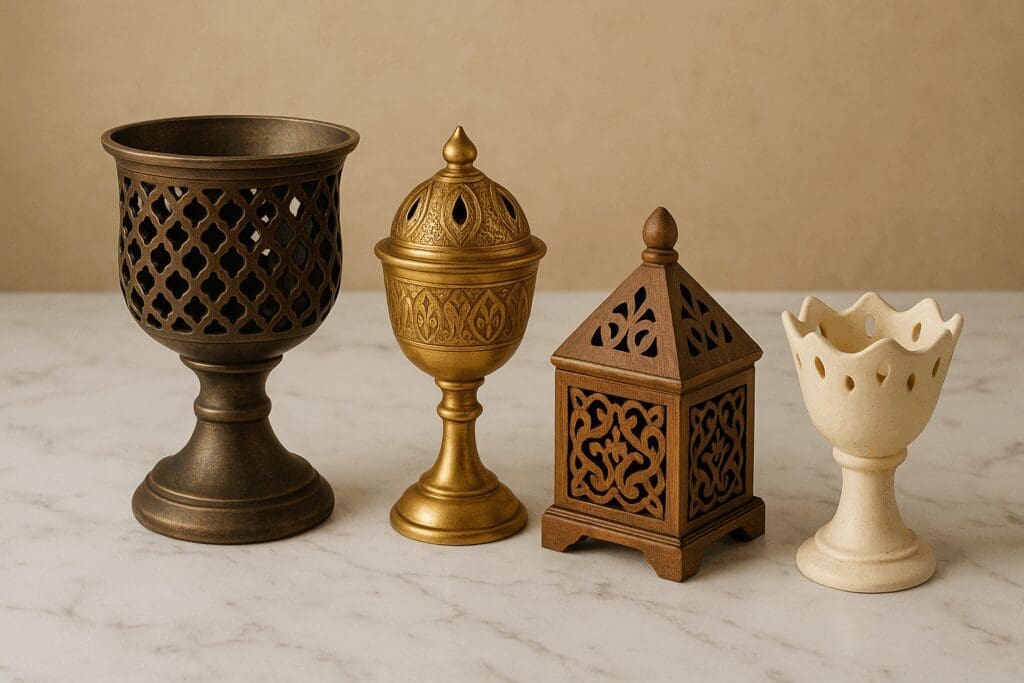
Bakhoor is a prepared incense blend created specifically for home fragrance, hospitality, gatherings, reflection, and other aromatic rituals.
There is no single universal Bakhoor formula. Depending on the maker, a blend may include wood chips combined with fragrance oils, resins, florals, musk-style accords, amber-style materials, spices, sandalwood, agarwood, or other aromatic ingredients.
The finished material is typically placed on hot charcoal or used with an electric incense burner, allowing heat to release the fragrance into the surrounding space.
Because Bakhoor is composed rather than defined by one raw material, its aroma can vary enormously. One blend may be sweet and floral, another dark and woody, another musky and comforting, and another intensely resinous.
For a deeper introduction, see What Is Bakhoor?.
How Are Bakhoor and Oudh Connected?
The connection becomes easiest to understand when we follow agarwood through its possible forms.
Resin-Rich Agarwood
↓
May be burned directly as agarwood chips
or
May be distilled into natural Oudh oil
or
May become one ingredient within a prepared Bakhoor blend
This is why Bakhoor and Oudh can smell related without being interchangeable. Agarwood can connect the two experiences, but the finished products serve different purposes.
Bakhoor vs. Oudh: Key Differences
| Feature | Bakhoor | Oudh |
|---|---|---|
| What It Is | A prepared incense composition | Fragrance associated with resin-rich agarwood, especially distilled Oudh oil |
| Typical Form | Scented wood chips or blended incense material | Natural oil, agarwood material, perfume composition, or Oudh-inspired accord |
| Primary Experience | Environmental fragrance | Personal fragrance or agarwood experience |
| How It Is Used | Heated or burned using charcoal or an electric burner | Applied as oil, blended into perfume, or experienced through agarwood |
| Aroma | Depends on the complete blend: sweet, floral, woody, musky, spicy, resinous, and more | Depends on agarwood, distillation, composition, and interpretation |
| Relationship | May contain agarwood or Oudh-related materials | May become one aromatic component within Bakhoor |
Which Should You Choose: Bakhoor or Oudh?
The better choice depends less on which one is “best” and more on the fragrance experience you want to create.
Choose Bakhoor When You Want to Fragrance a Space
Bakhoor is especially well suited to creating atmosphere. You may choose it when welcoming guests, preparing the home for a gathering, creating a quiet environment for reflection, or simply enjoying fragrance throughout a room.
Because Bakhoor is blended, it also offers tremendous aromatic variety. You can explore sweet, floral, musky, woody, spicy, resinous, or deeply traditional compositions depending on your preferences.
Choose Oudh When You Want a Personal Fragrance Experience
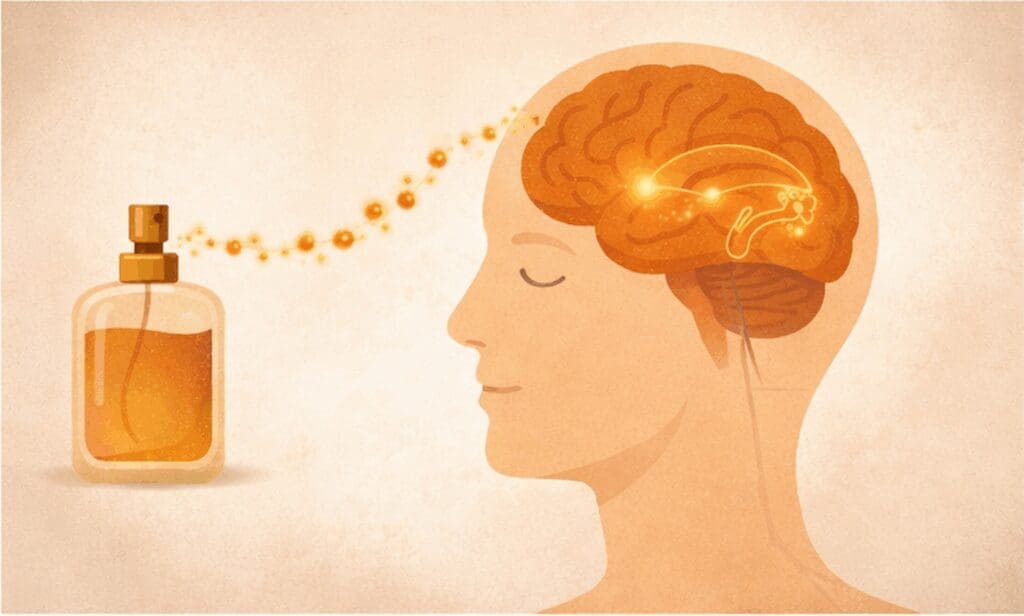
Oudh oil is particularly suited to personal fragrance. A small amount applied to the skin can develop gradually throughout the day, revealing different facets as you experience it.
Oudh is also ideal for fragrance enthusiasts who want to explore agarwood itself—its regional variations, distillation styles, natural complexity, and relationship with other perfume materials.
Or Enjoy Both
You do not need to choose one tradition over the other. Many people enjoy Oudh as part of their personal fragrance while using Bakhoor to fragrance their surroundings. One creates personal presence; the other helps create atmosphere.
Can You Use Bakhoor and Oudh Together?
Yes. In fact, experiencing Bakhoor and Oudh together can create a more layered fragrance environment because they operate differently.
You might wear an Oudh oil as your personal fragrance while using Bakhoor to scent the room around you. The fragrance on your skin remains personal and close to you, while the Bakhoor creates an aromatic atmosphere throughout the space.
The two do not need to match exactly. A darker Oudh can be surrounded by a softer musky Bakhoor, for example, while a warm or sweet Oudh might be experienced alongside a woody or resinous Bakhoor. The relationship can be complementary rather than identical.
If you are experimenting with both for the first time, begin gently. Bakhoor can fill a room quickly, while concentrated Oudh may require only a small application. Allow each fragrance enough space to reveal itself before deciding whether the combination works for you.
Bakhoor, Oudh, and the Tradition of Scenting Clothing
One of the distinctive experiences associated with incense traditions is allowing aromatic smoke to lightly fragrance clothing. Rather than applying the incense itself to fabric, garments may be exposed briefly to fragrant smoke as it rises from the burner.
This creates a different effect from wearing Oudh oil directly on the skin. The aroma from Bakhoor may settle subtly into fabric, while the fragrance worn on the body develops with the warmth of the skin. Together, the two can create layers of fragrance that are experienced differently as you move.
Care is important whenever smoke, hot charcoal, or an incense burner is involved. Keep fabrics safely away from the heat source and never leave burning charcoal or incense unattended.
The Cultural Significance of Bakhoor and Oudh
Bakhoor and Oudh have long been associated with fragrance traditions across the Arabian Peninsula and neighboring regions, where scent can become part of hospitality, personal grooming, gatherings, celebrations, and religious or reflective environments.
Bakhoor is particularly suited to transforming a shared environment. Fragrancing a home before guests arrive can make scent part of the act of welcoming them. The fragrance is not simply something one person wears; it becomes part of the atmosphere everyone enters.
Oudh can create a more personal expression. Worn on the body, it can become associated with presence, memory, identity, and individual fragrance preference. Agarwood may also be experienced through incense, connecting Oudh traditions with the aromatic environment of the home or gathering place.
These practices overlap, but they should not be reduced to a single meaning. Fragrance traditions vary across families, communities, regions, and individuals. What remains consistent is the extraordinary ability of scent to transform both the person and the place.
The Fragrance Intelligence Perspective: Person vs. Place
The difference between Bakhoor and Oudh reveals an important principle of Fragrance Intentions: before choosing a fragrance, consider what you want the fragrance to accomplish.
If your intention is hospitality, you may be thinking about the experience of everyone entering a space. Bakhoor can help establish that atmosphere.
If your intention is personal presence, you may be thinking about how fragrance becomes part of the way you present yourself. Oudh oil can serve that purpose differently.
If your intention is reflection or ritual, either may become meaningful depending on the environment you want to create and your personal traditions.
And if your intention is simply pleasure and discovery, there is no reason to choose between them at all.
This is why fragrance selection becomes more useful when the question changes from “Which fragrance is better?” to “What experience am I trying to create?”
Frequently Asked Questions About Bakhoor and Oudh
Is Bakhoor the same as Oudh?
No. Bakhoor is a prepared incense blend intended to be heated or burned. Oudh is associated with fragrance derived from resin-rich agarwood, particularly distilled Oudh oil. Bakhoor may contain agarwood or Oudh-related aromatic materials, which is one reason the terms are sometimes confused.
Does Bakhoor contain Oudh?
Some Bakhoor does, but not all. Bakhoor formulas vary widely and may contain agarwood, sandalwood, fragrance oils, resins, spices, floral materials, musk-style accords, and other aromatics. Check the individual product description when the presence of agarwood or Oudh is important to you.
Can you burn Oudh?
Resin-rich agarwood chips can be heated or burned to release their aroma. Oudh oil, however, is a different preparation and is commonly worn as a concentrated personal fragrance or incorporated into perfume compositions. Follow the intended use of the specific product you purchase.
Is Oudh oil used to make Bakhoor?
It can be, depending on the formulation. Some Bakhoor may incorporate Oudh or agarwood-related materials, while other blends achieve their character through different woods, fragrance oils, resins, spices, and aromatic ingredients.
Which lasts longer, Bakhoor or Oudh?
They are difficult to compare directly because they are used differently. Oudh oil is worn on the body and may remain perceptible for an extended period depending on the oil, application, and wearer. Bakhoor fragrances a surrounding environment, and its aroma may linger in a room or on fabrics after the incense is no longer being heated.
Is Bakhoor or Oudh better for the home?
Bakhoor is generally the more direct choice when your primary goal is to fragrance a room or home because it is specifically prepared for environmental scenting. Agarwood chips can also be heated for home fragrance, but they provide a different aromatic experience from a composed Bakhoor blend.
Is Bakhoor or Oudh better for personal fragrance?
Oudh oil is generally better suited to direct personal fragrance because it can be applied in small amounts to the skin. Bakhoor is primarily an incense preparation rather than a product intended for direct skin application.
Can beginners enjoy both Bakhoor and Oudh?
Absolutely. Beginners do not need to start with the strongest or most traditional expressions. A softer Bakhoor or an Oudh composition blended with musk, amber, rose, sandalwood, or sweeter notes can provide an approachable introduction. Exploring gradually helps you discover which fragrance profiles feel most natural to you.
Continue Your Journey
Explore Fragrance for Person and Place
Bakhoor and Oudh reveal two different dimensions of fragrance: the atmosphere you create around you and the fragrance expression you carry with you. Continue exploring both traditions—and discover which experiences speak most naturally to you.
Discover Yourself
Fragrance becomes more meaningful when it reflects who you are. Discover the fragrance identity, preferences, and experiences that may resonate most naturally with you.
Take the Fragrance Identity Quiz →Continue Exploring
What Is Bakhoor? Discover Its History, Tradition, and Fragrance →
What Is Oudh? The Story Behind the World’s Most Precious Fragrance →
Types of Oudh Explained: Origins, Profiles, and Modern Interpretations →
Experience It
Bakhoor and Oudh offer two distinct ways to experience the richness of Middle Eastern fragrance. Explore the tradition that fits the experience you want to create—or discover both.
Bakhoor and Oudh are connected by a remarkable fragrance tradition, but understanding their differences allows you to appreciate each on its own terms. One can transform the atmosphere around you; the other can become part of your personal fragrance expression. Together, they demonstrate something fundamental about Middle Eastern fragrance: scent is not limited to what we wear. It can shape the person, the place, and the experience shared between them.