Types of Oudh Explained: Origins, Profiles, Natural Oudh, and Modern Interpretations
One of the first surprises awaiting anyone who explores Oudh deeply is that Oudh does not have one single smell. One oil may be dark, earthy, leathery, and intensely resinous. Another may reveal sweetness, soft woods, fruit-like nuances, smoke, spice, or an almost balsamic warmth.
Both can be Oudh.
This remarkable variation is part of what makes Oudh so fascinating. The aromatic character of natural Oudh can be influenced by the agarwood-producing tree, geographic origin, growing environment, resin formation, wood selection, preparation, distillation, aging, and other aspects of craftsmanship. Modern perfumery adds another layer through Oudh accords and compositions designed to interpret different aspects of its character.
Understanding these differences can help you move beyond simply asking, “Do I like Oudh?” A more useful question is: What kind of Oudh experience do I prefer?
Why Does Oudh Smell So Different?
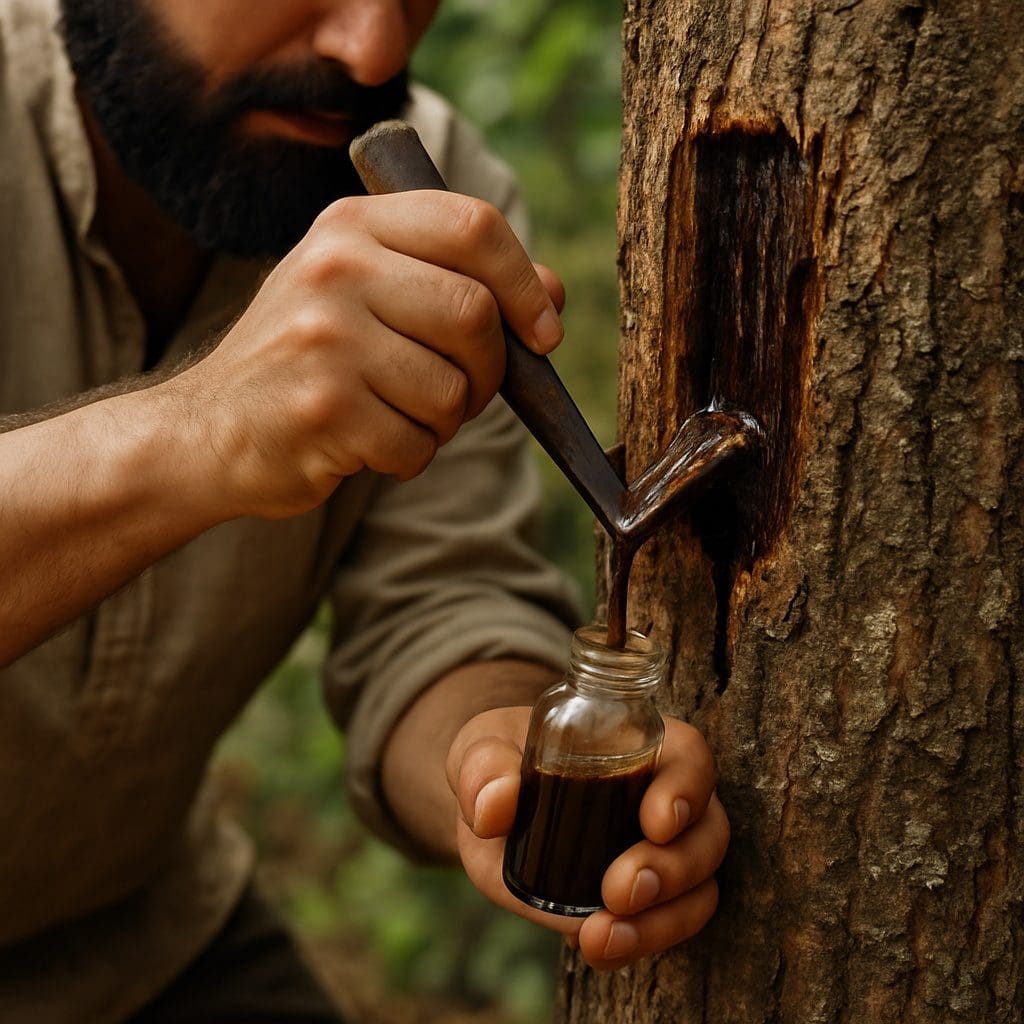
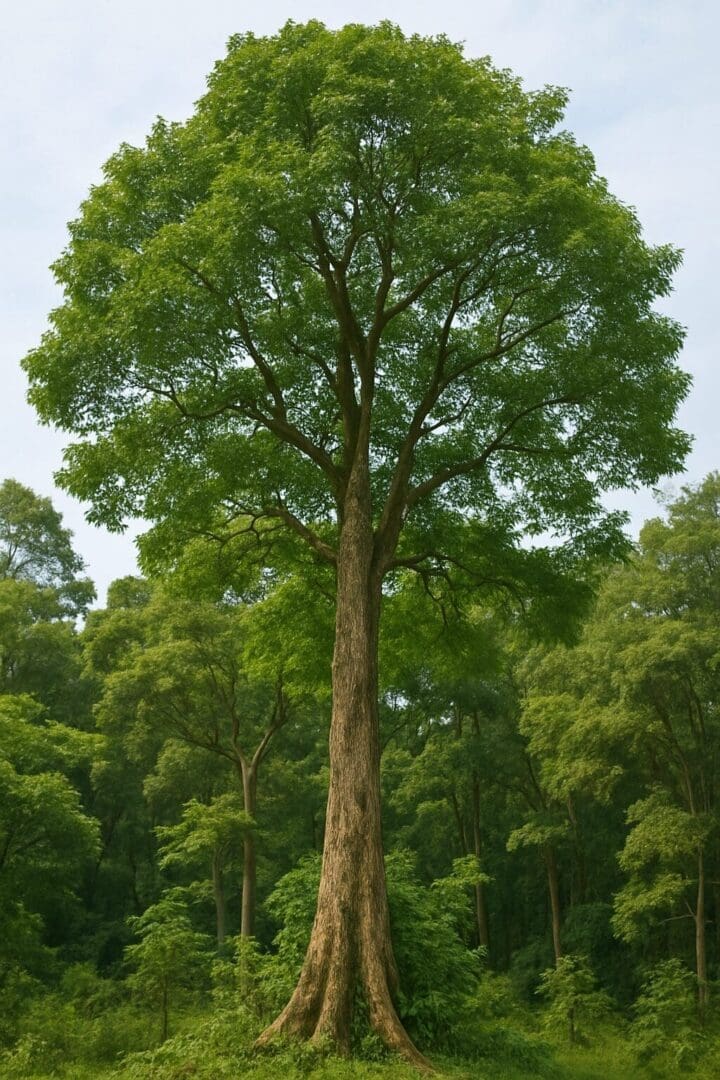
Oudh oil begins with agarwood, the resin-rich wood that develops in certain trees, particularly species within the Aquilaria genus. As the tree responds to injury and biological stress, resin accumulates within portions of the wood and gradually changes its aromatic character.
But “agarwood” describes a category of fragrant material—not one perfectly uniform substance. Trees grow in different environments. Different species and individual trees can develop different resin characteristics. The resinous wood itself can vary in quality and composition, and the choices made after harvesting can further shape the finished aroma.
That means geographic origin can provide useful context, but it should never be treated as a guarantee that every Oudh from a particular country will smell exactly alike.
What Determines the Character of an Oudh?
Several variables can contribute to the final character of natural Oudh oil.
Tree Species
Multiple agarwood-producing species exist, and their natural characteristics can contribute to differences in the aromatic material they produce. Even within the same species, however, individual trees and batches can vary.
Geographic Origin and Growing Environment
Soil, climate, rainfall, elevation, and the broader growing environment can influence plant development. Origin therefore becomes one part of an Oudh’s identity, although it is only one variable among many.
Resin Formation
The amount, age, distribution, and character of resin within the wood can affect the quality and aroma of the agarwood selected for processing. Resin-rich portions are particularly prized for their aromatic complexity.
Wood Selection and Preparation
Which portions of agarwood are selected—and how that material is cleaned, sorted, ground, soaked, or otherwise prepared before distillation—can influence the resulting oil.
Distillation
Distillation is not merely a mechanical step between wood and finished Oudh. The distiller’s choices can influence which aromatic characteristics become prominent. Differences in preparation, equipment, temperature, duration, and technique can produce noticeably different expressions from aromatic raw material.
Aging and Storage
After distillation, natural Oudh may continue to evolve. Time and storage conditions can affect how its aromatic facets integrate and how the oil is ultimately experienced.
This is why two bottles carrying the same geographic description can still smell surprisingly different. Origin is part of the story; it is not the entire story.
Natural Oudh vs. an Oudh Accord: What Is the Difference?
Another source of confusion is the word Oudh itself. In fragrance, the term may describe genuine agarwood-derived oil, an ingredient within a larger composition, or an aromatic interpretation designed to evoke the character people associate with Oudh.
Natural Distilled Oudh
Natural Oudh oil is produced from resinous agarwood. Its aroma can be extraordinarily complex and may include combinations of woody, earthy, smoky, leathery, balsamic, sweet, spicy, animalic, or other nuances.
Because natural materials vary, genuine Oudh should not be expected to behave like a perfectly standardized aroma produced identically from batch to batch.
Oudh as Part of a Fragrance Composition
A perfume may contain natural Oudh while surrounding it with other materials such as rose, saffron, musk, amber, sandalwood, spices, florals, or sweeter notes. In this case, Oudh contributes to a larger composition rather than functioning as the fragrance’s only aromatic voice.
Oudh-Inspired Accords
Perfumers can also construct an Oudh accord: a combination of aromatic materials designed to suggest selected characteristics associated with Oudh. Depending on the formula, an accord may emphasize dark woods, smoke, leather, amber, resin, sweetness, or other facets.
An Oudh-inspired fragrance therefore does not necessarily contain natural agarwood oil simply because “Oudh” appears in its name or description. Ingredient disclosure, brand information, and product-specific documentation are better guides when the presence of natural Oudh matters to you.
Is Natural Oudh Always Better?
Not necessarily—and “better” is the wrong question without first defining what you value.
A collector seeking the complexity and individuality of distilled agarwood may strongly prefer natural Oudh. Another wearer may prefer a carefully constructed Oudh composition because it is softer, more predictable, easier to wear, or beautifully balanced with other fragrance notes.
Natural origin, rarity, price, and personal enjoyment are different qualities. One does not automatically determine the others.
This distinction is an important part of fragrance discernment: appreciate natural Oudh for what makes it extraordinary without assuming that every fragrance using an Oudh accord is therefore inferior.
Indian and Assam Oudh
Indian Oudh, particularly Oudh associated with Assam and northeastern India, occupies an important place in agarwood tradition. These oils are often described by enthusiasts using terms such as deep, earthy, leathery, animalic, smoky, or intensely woody.
Some traditional preparations can feel particularly powerful to someone encountering natural Oudh for the first time. That intensity is part of their appeal for enthusiasts who appreciate darker and more assertive aromatic profiles.
These descriptions are tendencies rather than rules. Species, resin quality, preparation, distillation, aging, and individual batches can create substantial variation even among oils sharing an Indian or Assam origin.
Cambodian Oudh
Cambodian Oudh is often associated in fragrance vocabulary with a rich, rounded, resinous character. Some oils may reveal noticeable sweetness or fruit-like nuances alongside their woody foundation, which can create a very different impression from darker Oudh styles.
That does not mean every Cambodian distillation will be sweet or fruity. The term identifies geographic provenance, not a fixed fragrance formula. Individual oils should still be experienced on their own merits.
Thai Oudh
Oudh associated with Thailand can present a broad range of profiles. Some examples are described as smooth, woody, sweet, or gently fruit-like, while others may reveal darker resinous characteristics depending on the material and distillation.
For the fragrance learner, the important lesson is not to memorize “Thai Oudh smells like this.” Instead, use origin as one clue that helps you interpret the fragrance while allowing the actual aroma to tell you the rest.
Laotian Oudh
Laotian Oudh may be described as woody, resinous, sweet, earthy, or richly complex, but—as with every regional category—there can be considerable variation from one oil to another.
This variability is not a flaw in natural Oudh. It is one of the reasons enthusiasts can spend years exploring agarwood and continue discovering new aromatic expressions.
What Does “Arabian Oudh” Mean?
The phrase Arabian Oudh can create an understandable misconception: that the agarwood itself necessarily comes from the Arabian Peninsula.
Historically, however, much of the agarwood prized in Arabian fragrance culture reached the region through trade from agarwood-producing areas of South and Southeast Asia. The Arabian Peninsula became one of the world’s great centers of Oudh appreciation, use, trade, and perfumery—not the primary natural habitat of Aquilaria trees.
In modern fragrance language, “Arabian Oudh” may therefore describe a style of perfumery as much as a raw material’s geographic origin. Oudh may be composed with rose, saffron, amber, musk, sandalwood, spices, or other rich materials to create a fragrance informed by Arabian perfume traditions.
Understanding that distinction separates two valuable ideas: where agarwood grows and how cultures transform Oudh into fragrance.
How to Choose an Oudh Profile
Once you understand that Oudh is not one single aroma, choosing an Oudh becomes much easier. Rather than searching for the “best” Oudh, focus on the kind of experience you prefer.
If You Prefer Deep, Powerful Fragrances
You may be drawn toward darker Oudh profiles with earthy, leathery, smoky, or animalic characteristics. Indian and Assam-associated styles are often explored by enthusiasts who appreciate intensity, depth, and a more traditional aromatic experience.
If You Prefer Richness with Soft Sweetness
Look for Oudh compositions described as rounded, resinous, balsamic, gently sweet, or fruit-like. Cambodian-inspired profiles are often discussed in this context, although the individual oil or perfume should always be evaluated on its own.
If You Are New to Oudh
A blended Oudh fragrance may offer an approachable introduction. Rose, musk, amber, vanilla, sandalwood, saffron, florals, or softer woods can help frame Oudh within a composition that feels familiar while still allowing its distinctive character to emerge.
If You Want to Explore Natural Oudh
Pay close attention to provenance, distillation information, batch descriptions, and the seller’s disclosure about whether the oil is natural agarwood-derived Oudh. Natural Oudh can vary significantly, so detailed product information becomes especially valuable.
The goal is not to memorize regional stereotypes. It is to build enough vocabulary to recognize what you enjoy and ask better questions when exploring unfamiliar fragrances.
Why Are Some Oudh Oils More Expensive Than Others?
Price differences in Oudh can be dramatic, and no single factor explains them. Natural agarwood-derived oil may vary in value according to the quality and rarity of the raw material, resin concentration, provenance, age, harvesting practices, distillation skill, yield, aging, and availability.
Scarcity also matters. High-quality resinous agarwood can be difficult to produce and obtain, while responsible cultivation and regulated trade add further complexity to the supply chain.
At the same time, a high price does not automatically guarantee that you will personally prefer the fragrance. Market value, rarity, and personal enjoyment are different considerations. Fragrance Intelligence encourages evaluating all three separately.
Does Oudh Have to Be Strong?
No. Oudh is often associated with richness and intensity, but the finished experience depends heavily on concentration and composition. A natural oil may be highly concentrated, while a perfume may use Oudh as one element within a softer structure.
Some Oudh fragrances announce themselves immediately. Others remain close to the skin and reveal their complexity gradually. Neither style is inherently more authentic or more sophisticated.
The Fragrance Intelligence Perspective
Oudh is an ideal example of why fragrance cannot be understood from a name alone. Two products may both be labeled Oudh yet produce completely different experiences because their materials, composition, concentration, and interpretation differ.
The Fragrance Perception Layers help explain what happens next. Chemistry determines the aromatic material presented to you. Detection allows you to perceive it. Recognition connects it with previous experiences. Emotion gives the aroma personal meaning. Identity determines whether it feels authentic to you, and behavior influences whether you return to it, wear it, layer it, or make it part of your fragrance life.
This is also where Fragrance Memory matters. Someone raised around strong traditional Oudh may experience a dark resinous oil as comforting and familiar. A first-time wearer may experience that same profile as challenging or mysterious. Neither reaction tells us whether the Oudh is “good.” It tells us something about the relationship between the fragrance and the person experiencing it.
Understanding Oudh therefore requires both discernment and curiosity. Learn the terminology, pay attention to origin and craftsmanship, but ultimately allow your own experience to determine which expression belongs in your fragrance journey.
Frequently Asked Questions About Types of Oudh
Does Oudh smell different depending on where it comes from?
Yes, geographic origin can contribute to differences in aromatic character, but it is only one factor. Tree species, resin formation, preparation, distillation, aging, and individual batch variation can all influence the finished Oudh.
What is Assam Oudh?
Assam Oudh generally refers to Oudh associated with agarwood from Assam and northeastern India. These oils are often described as deep, earthy, leathery, smoky, animalic, or intensely woody, although individual distillations vary.
What is Cambodian Oudh?
Cambodian Oudh refers to Oudh associated with agarwood from Cambodia. Some examples are known for rounded resinous character, sweetness, or fruit-like nuances, but there is no single aroma shared by every Cambodian oil.
Is natural Oudh better than synthetic Oudh?
Not automatically. Natural Oudh offers the individuality and complexity of agarwood-derived material, while Oudh accords can allow perfumers to create balanced, accessible, and highly artistic interpretations. The better choice depends on what you value and enjoy.
What is an Oudh accord?
An Oudh accord is a combination of fragrance materials designed to evoke characteristics associated with Oudh, such as woods, smoke, leather, resin, amber, or sweetness. An Oudh accord does not necessarily contain natural agarwood oil.
Does Arabian Oudh come from Arabia?
Not necessarily. Agarwood-producing trees are native primarily to regions of South and Southeast Asia. “Arabian Oudh” may instead describe an Oudh fragrance style or composition associated with Arabian perfumery traditions.
What type of Oudh is best for beginners?
There is no universal beginner Oudh. Many newcomers find blended compositions with rose, musk, amber, vanilla, saffron, or softer woods easier to explore than very intense natural oils. Your existing fragrance preferences are the best starting point.
Why are some Oudh oils so expensive?
Natural Oudh pricing can reflect agarwood rarity, resin quality, provenance, harvesting, low distillation yields, craftsmanship, aging, and supply. Price alone, however, does not determine whether you will personally prefer one Oudh over another.
Continue Your Journey
Discover the Oudh That Speaks to You
Every article in the Fragrance & Things Knowledge Library is designed to help you discover, understand, and experience the world of Middle Eastern fragrance with confidence.
Discover Yourself
Your preferred Oudh profile depends on more than origin. Discover the fragrance identity that best reflects your personality, preferences, and the way you experience scent.
Take the Fragrance Identity Quiz →Continue Exploring
What Is Oudh? The Story Behind the World’s Most Precious Fragrance →
The History of Oudh: From Ancient Agarwood to Modern Perfumery →
What Is a Tola? Understanding the Traditional Fragrance Measurement →
Experience Oudh
Now that you understand why Oudh can express so many different personalities, explore our Oudh collection and discover which interpretations resonate with you.
Explore the Oudh Collection →The deeper you explore Oudh, the less useful it becomes to think of it as a single fragrance category with one predictable smell. Oudh is a world of origins, materials, distillation traditions, artistic interpretations, and personal responses. Learning those differences does not make the experience less mysterious—it gives you the discernment to appreciate just how extraordinary that diversity really is.