The History of Oudh: From Ancient Agarwood to Modern Perfumery
Long before Oudh became one of the most celebrated ingredients in modern perfumery, agarwood was already traveling through civilizations, appearing in sacred texts, moving along ancient trade routes, and becoming associated with hospitality, refinement, spirituality, and prestige.
Its story stretches across thousands of years and many cultures. From South and Southeast Asia to China, Persia, and the Arabian Peninsula, resin-rich agarwood became far more than an aromatic material. It was burned as incense, exchanged as a valuable commodity, incorporated into traditional practices, and eventually distilled into the extraordinary fragrance oil we know today as Oudh—also commonly spelled Oud.
Understanding the history of Oudh reveals something important about fragrance itself: some aromas endure not because of passing trends, but because generations continue to find meaning in them.
What Makes Oudh Historically Important?
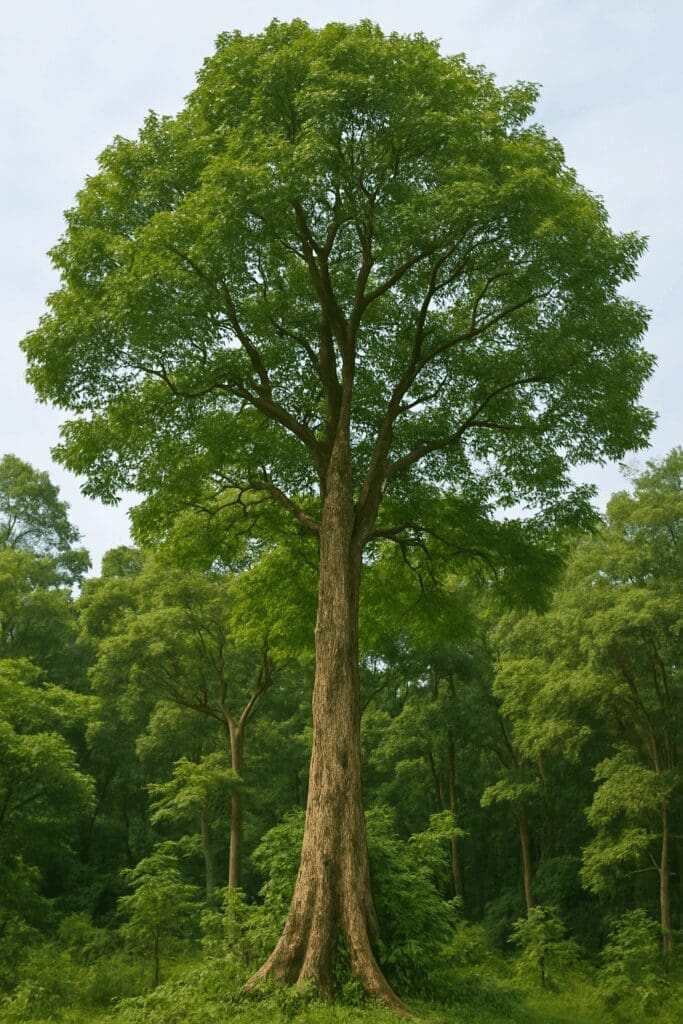
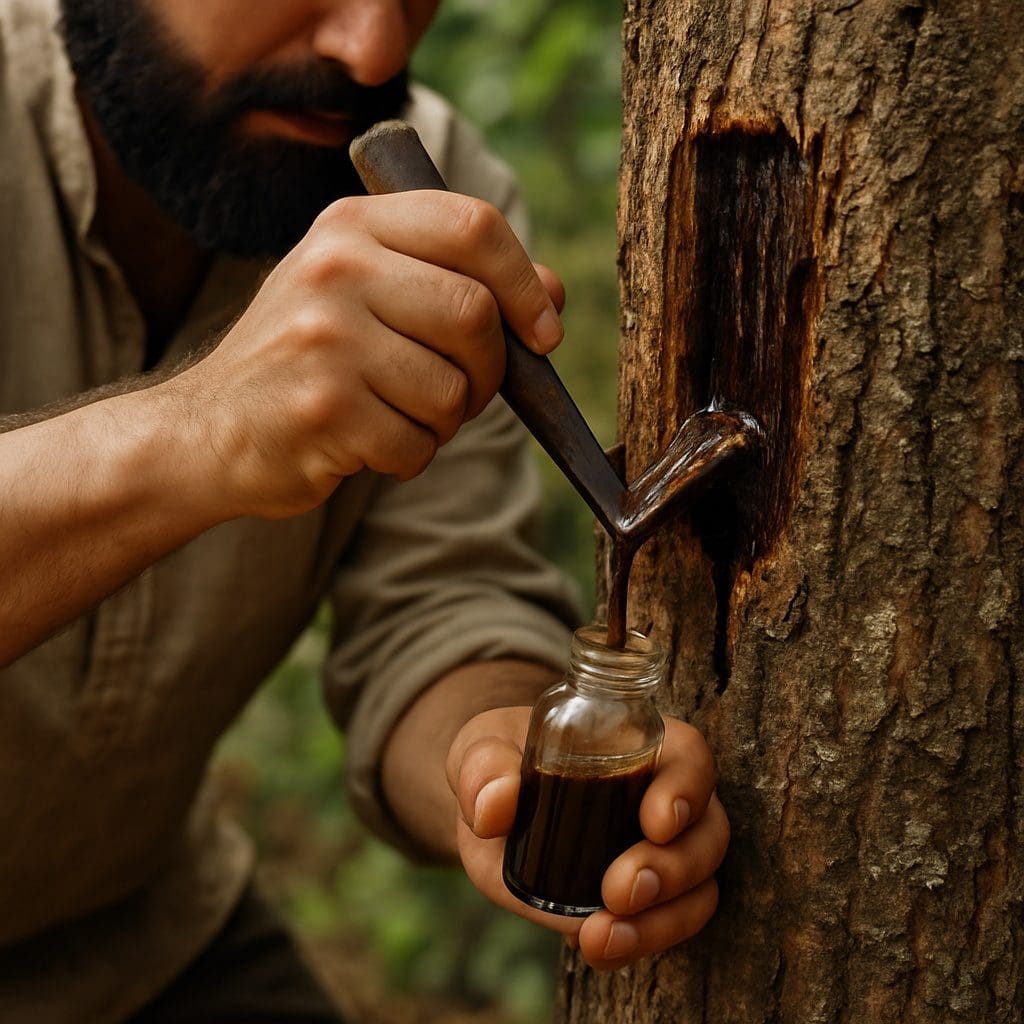
The history of Oudh begins with agarwood, the dark, resin-rich wood that develops within certain trees—most famously species of Aquilaria. Unlike ordinary aromatic woods, high-quality agarwood forms only after the tree responds to injury or other biological stress by producing fragrant resin within its tissues.
That unusual natural process helped make agarwood scarce, desirable, and difficult to obtain. Yet rarity alone does not explain its extraordinary history. Its complex aroma allowed agarwood to occupy several roles at once: fragrance, incense, luxury material, traded commodity, and culturally meaningful aromatic.
As civilizations encountered agarwood, they interpreted and used it according to their own traditions. This is one reason the history of Oudh cannot be attributed to a single country or culture. It is a story of exchange—of aromatic material moving between regions while acquiring new meanings along the way.
The Early History of Agarwood in South and Southeast Asia
Some of the earliest written references associated with agarwood come from ancient South Asia. Sanskrit literature describes agarwood—known by names including agāru and aguru—as a valued fragrant material. Historical scholarship places documented references to agarwood as far back as approximately 1400 BCE.
Agarwood became associated with incense, luxury, offerings, and traditional medicinal practices. Its aroma and rarity helped distinguish it from more ordinary woods and aromatics, while its presence in important texts demonstrates that its cultural value was established many centuries before the development of modern perfumery.
The tropical forests of South and Southeast Asia provided the natural environment in which agarwood-producing trees grew. From these regions, the material entered increasingly sophisticated networks of trade, carrying its fragrance far beyond the forests where it originated.
Oudh Along the Ancient Trade Routes
As commercial routes connected Asia with Persia and the Arabian Peninsula, agarwood became part of a much larger exchange of precious aromatics, spices, textiles, and luxury materials.
This movement is central to understanding Oudh. The regions that produced agarwood were not always the regions where its cultural influence became strongest. Traders carried the material across borders, while the communities receiving it developed their own traditions for appreciating, burning, blending, and eventually distilling it.
Historical records demonstrate that agarwood remained valuable enough to travel remarkable distances. Its movement between producing regions in tropical Asia and consumers in India, China, the Middle East, and elsewhere transformed it into an early international luxury aromatic.
Oudh in Islamic Tradition
Agarwood also became deeply connected with fragrance traditions in the Islamic world. Historical Islamic texts contain references to aromatic aloeswood, reflecting its established presence within the culture of fragrance.
One particularly meaningful tradition describes Abdullah ibn Umar using aloeswood, sometimes together with camphor, for fumigation and explaining that this reflected the practice of the Prophet Muhammad ﷺ. Such accounts help document the place of fragrant wood within early Islamic aromatic traditions.
Over subsequent centuries, Oudh became increasingly woven into the fragrance cultures of Muslim communities. Its use extended into personal fragrance, hospitality, homes, gatherings, and other meaningful occasions, helping establish the enduring relationship between Oudh and Middle Eastern fragrance culture.
Agarwood in Imperial China
China developed its own sophisticated relationship with agarwood. Historical records show knowledge of resin formation in agarwood-producing trees by approximately the third century CE, demonstrating that observers understood the connection between injury to the tree and the development of its prized aromatic material.
Agarwood also became part of elite exchange and long-distance commerce. During the Tang Dynasty, trade connected China with merchants and cultures far beyond its borders. One remarkable record from 824 CE describes a Persian merchant presenting a large quantity of agarwood as tribute to the Tang imperial court.
Examples like this reveal just how geographically expansive the history of agarwood had already become. A fragrant wood originating in tropical Asian forests could travel through international commercial networks and arrive in imperial courts as a material worthy of tribute.
Oudh and the Development of Middle Eastern Perfumery
By the medieval period, agarwood had become firmly established among the prestigious aromatics of the Middle East. It was valued not only for burning as incense, but also as an important material within an increasingly sophisticated culture of perfumery.
Arabic and Persian scholars documented fragrances with remarkable detail. In the ninth century, the scholar al-Kindī included multiple preparations involving agarwood in his writings on perfume chemistry. Other historical works classified agarwood among principal perfume materials and described its use alongside precious aromatics such as musk, ambergris, camphor, and saffron.
These records reveal something important about Oudh’s history. Middle Eastern fragrance culture did not simply receive agarwood as a foreign aromatic—it developed sophisticated ways of evaluating, preparing, combining, wearing, and experiencing it. Over generations, Oudh became deeply integrated into a distinctive fragrance tradition of its own.
From Agarwood to Oudh Oil
Agarwood and Oudh are closely related, but they are not interchangeable terms. Agarwood refers to the resin-rich fragrant wood itself, while Oudh oil is the concentrated aromatic oil produced from that wood.
Producing Oudh oil requires careful processing and distillation. Resinous wood is prepared and distilled so that its aromatic compounds can be captured in an intensely concentrated oil. The resulting fragrance can be remarkably complex, revealing woody, smoky, earthy, leathery, balsamic, sweet, spicy, or animalic characteristics depending on the raw material and method of production.
Distillation gave perfumers another way to experience the character of agarwood. Instead of only allowing fragrant wood to release its aroma through smoke, Oudh could be applied directly to the skin or incorporated into increasingly elaborate perfume compositions.
Oudh as Hospitality, Presence, and Tradition
Over centuries, Oudh became intertwined with social and personal fragrance traditions throughout much of the Middle East. Fragrant agarwood could be burned when welcoming guests, while Oudh oils and compositions became expressions of personal refinement and presence.
The distinction between personal fragrance and environmental fragrance was often fluid. Aroma could move through the home, settle gently onto fabrics and clothing, accompany gatherings, and become associated with particular people and occasions.
This helps explain why Oudh carries such powerful associations for many families. Its significance is not created by rarity alone. Repeated experiences—hospitality, celebrations, family gatherings, personal fragrance, and moments of reflection—allow aroma to become part of cultural and personal memory.
Oudh Enters Modern Global Perfumery
Oudh’s journey did not end with the historical fragrance traditions that preserved it. As global interest in perfumery expanded, Oudh increasingly entered contemporary fragrance compositions around the world.
Modern perfumers interpret Oudh in many ways. Some compositions emphasize its dark, resinous, woody character, while others soften it with rose, vanilla, citrus, florals, amber, musk, or other woods. These interpretations have introduced the idea of Oudh to audiences who may never have encountered traditional agarwood oil or fragrant wood.
This global evolution does not diminish the traditions from which Oudh emerged. Instead, it demonstrates the extraordinary adaptability of an aromatic material that has crossed geographic and cultural boundaries for thousands of years.
The Modern Responsibility of Appreciating Oudh
Oudh’s extraordinary popularity has also created an important modern responsibility. Wild agarwood resources have faced intense harvesting pressure, making conservation, responsible cultivation, traceable trade, and sustainable production increasingly important to the future of this ancient fragrance material.
Today, agarwood-producing species within the Aquilaria and Gyrinops genera are internationally regulated under the Convention on International Trade in Endangered Species of Wild Fauna and Flora (CITES). Cultivation and carefully managed resin-induction techniques have also become increasingly important parts of the modern agarwood industry.
For the modern fragrance enthusiast, appreciating Oudh therefore means understanding more than its aroma. Its future depends upon preserving the trees, knowledge, craftsmanship, and responsible practices that allow future generations to experience it.
Why Oudh Has Endured for Thousands of Years
Very few fragrance materials can tell a story spanning thousands of years, multiple civilizations, ancient trade networks, religious traditions, royal courts, family homes, and contemporary perfumery. Oudh can.
Its endurance cannot be explained by rarity alone. Generations continued to value agarwood because its aroma became connected with experiences people considered meaningful: beauty, hospitality, reverence, refinement, celebration, intimacy, and personal presence.
The world surrounding Oudh has changed dramatically, but the human response to it has remained remarkably persistent. A material once transported across ancient trade routes now appears in contemporary fragrance collections around the world—yet it continues to invite the same fundamental experience: pause, breathe, and discover what the fragrance means to you.
The Fragrance Intelligence Perspective
The history of Oudh demonstrates how fragrance acquires meaning far beyond its chemical composition. An aroma can travel between cultures, accompany traditions, become associated with people and places, and eventually form part of individual and collective memory.
This is where Fragrance Memory becomes particularly important. Someone raised around Oudh may encounter its aroma and immediately remember family, hospitality, celebrations, or moments of reflection. Someone discovering Oudh for the first time begins with no such history—but the experiences created around that fragrance may eventually become memories of their own.
Fragrance Intentions also help explain Oudh’s remarkable longevity. Across different periods and cultures, people have chosen fragrant agarwood for purposes including hospitality, reflection, celebration, confidence, and presence. The practices may evolve, but the desire to give fragrance meaning remains.
Frequently Asked Questions About the History of Oudh
How old is the history of Oudh?
Written evidence for the use of agarwood extends back more than 3,000 years. Historical scholarship has identified references to the fragrant material in Sanskrit texts dating to approximately 1400 BCE, with later documentation appearing across numerous Asian and Middle Eastern cultures.
Where did Oudh originate?
The agarwood used to produce Oudh originates from agarwood-producing trees native to regions of South and Southeast Asia. Through extensive trade networks, the material traveled into India, China, Persia, the Arabian Peninsula, Japan, and other regions where distinct traditions developed around its use.
Was Oudh historically important in the Middle East?
Yes. Agarwood became one of the respected aromatics of Middle Eastern fragrance culture and appears in historical writings concerning perfume, incense, trade, and personal fragrance. Over time, Oudh became deeply associated with hospitality, refinement, and fragrance traditions throughout much of the region.
Is Oudh still made from agarwood today?
Yes. Genuine Oudh oil is distilled from resin-rich agarwood. Because demand has placed pressure on wild resources, responsible cultivation, regulated trade, and sustainable production have become increasingly important to the modern agarwood industry.
Are Oudh and Oud the same thing?
Yes. Oudh and Oud are different English transliterations commonly used for the same Arabic term. Fragrance & Things uses Oudh throughout the Knowledge Library for consistency with our fragrance vocabulary.
Continue Your Journey
Continue Exploring the World of Oudh
Every article in the Fragrance & Things Knowledge Library is designed to help you discover, understand, and experience the world of Middle Eastern fragrance with confidence.
Discover Yourself
Oudh has represented presence, refinement, tradition, and depth for generations. Discover which fragrance identity best reflects the way you experience fragrance.
Take the Fragrance Identity Quiz →Continue Exploring
What Is Bakhoor? Discover Its History and Tradition →
What Is a Mabkhara? Understanding the Traditional Incense Burner →
The Science of Fragrance: How Perfume Is Created and Experienced →
Experience Oudh
You’ve explored the history behind one of perfumery’s most enduring materials. Now experience how that heritage continues through Oudh fragrance today.
Explore the Oudh Collection →Across more than three millennia of recorded history, agarwood has moved between forests and cities, merchants and courts, sacred traditions and family homes. Oudh’s enduring importance is therefore not the story of a fragrance belonging to one moment in history. It is the story of generations discovering meaning in the same extraordinary aromatic material—and carrying that appreciation forward.