
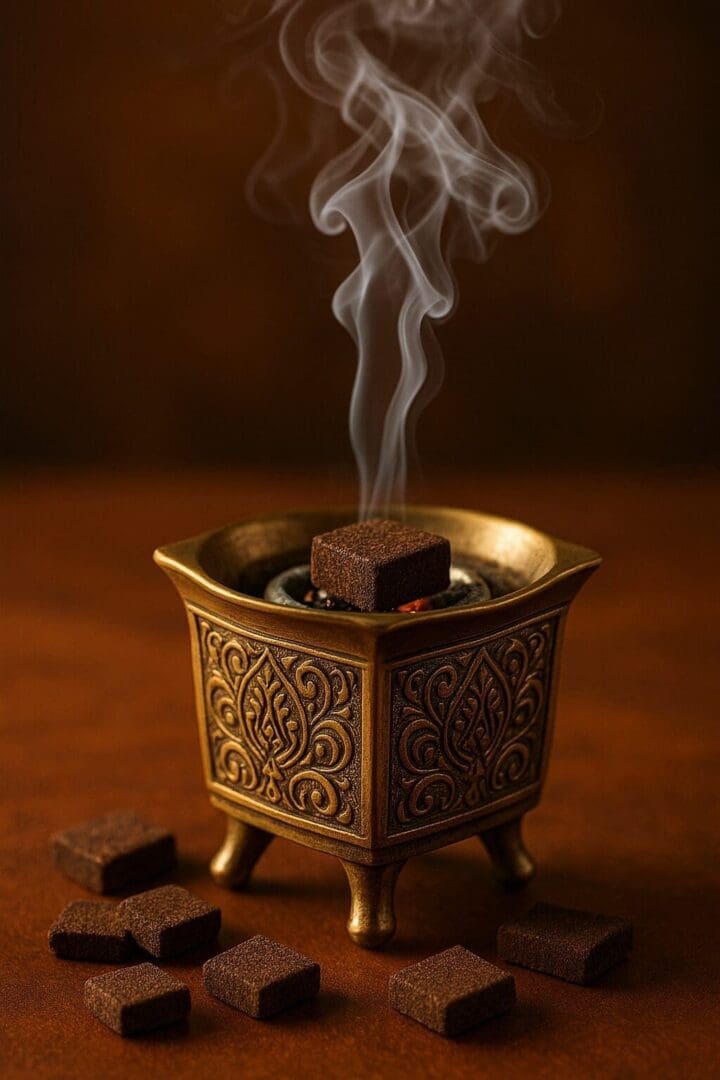
What Is Bakhoor? The History, Tradition and Ritual of Arabian Incense
What Is Bakhoor?
The History, Tradition and Ritual of Arabian Incense
Long before fragrance became something people wore, it was something people gathered around.
The scented smoke of Bakhoor has welcomed honored guests, prepared homes for celebration, accompanied moments of reflection and filled generations of rooms with warmth throughout the Arab world.
In many homes, burning Bakhoor is not treated as an ordinary way to make a room smell pleasant. It is an expression of hospitality, tradition and care.
To understand Bakhoor is therefore to understand one of fragrance’s most enduring rituals—not simply as aroma, but as atmosphere, heritage and shared experience.
What Is Bakhoor?
Bakhoor is a fragrant incense preparation commonly associated with the Middle East. It is generally made from wood chips, wood powders or other aromatic materials that have been blended or infused with fragrant oils.
When Bakhoor is placed over heated charcoal or warmed in an appropriate electric incense burner, it releases a rich aromatic smoke that moves gradually throughout the surrounding space.
Depending on its composition, Bakhoor may smell woody, sweet, musky, floral, resinous, spicy or deeply Oudh-centered. Each preparation carries its own character and creates a different atmosphere.
A Living Tradition of Hospitality
Bakhoor has long been connected to hospitality in Arab homes.
It may be burned before guests arrive, during family gatherings or as part of a Majlis—the private or communal space in which guests are received, welcomed and entertained.
The fragrance prepares the environment before conversation begins. It communicates that the home has been made ready with intention.
In some traditions, the Mabkhara may also be passed among guests so the fragrant smoke can perfume clothing and create a shared sensory experience.
This is one reason Bakhoor continues to feel meaningful. Its purpose is not only to fragrance a room. It helps establish warmth, respect and welcome.
The History and Cultural Meaning of Bakhoor
Aromatic woods, resins, incense and perfumed smoke have been used across many ancient cultures and religious traditions.
Within the Middle East, Bakhoor and Oudh became closely associated with the home, personal presentation, hospitality, special occasions and spiritual atmosphere.
The tradition remains especially visible during weddings, Eid celebrations, Ramadan gatherings, family occasions and moments when a home is prepared to receive others.
Although methods, ingredients and customs vary across regions and families, the central idea remains consistent: fragrance helps transform an ordinary environment into one that feels deliberate, welcoming and memorable.
Bakhoor vs. Oud: What Is the Difference?
Bakhoor and Oud are closely related, but they are not always the same thing.
Oud or Agarwood
Oud commonly refers to fragrant agarwood or to the aromatic material derived from resinous wood produced by certain Aquilaria trees. Natural agarwood chips may be heated directly to release their aroma. Oud is also used in fragrance oils and perfumes.
Bakhoor
Bakhoor is a prepared incense product. It may contain agarwood, sandalwood, resin, musk-like accords, amber-inspired accords, florals, spices or fragrance oils. Its exact composition depends on the maker and the intended scent experience.
In simple terms, Oud may be a primary fragrant material, while Bakhoor is often a composed incense preparation designed to be heated or burned.
How Is Bakhoor Made?
There is no single universal recipe for Bakhoor.
Some preparations begin with wood chips. Others use powdered wood or compressed incense forms. Aromatic oils may be added and allowed to absorb into the material before it is dried, shaped or packaged.
Commonly associated materials may include:
- Agarwood or Oud
- Sandalwood
- Resins
- Musk-inspired accords
- Amber-inspired accords
- Florals, spices or other aromatic oils
The proportions and fragrance blends vary widely, which is why one Bakhoor may feel soft and comforting while another feels dark, smoky, opulent or intensely traditional.
Common Forms of Bakhoor
Wood Chips
Wood-chip Bakhoor consists of aromatic chips that may be infused or coated with fragrant oils. Their irregular shapes and deeper woody character often create a traditional visual and aromatic experience.
Powdered or Compressed Bakhoor
Powdered ingredients may be blended and formed into tablets, blocks or other compact shapes. These preparations are convenient to portion and can produce a concentrated fragrance experience.
Incense Sticks
Incense sticks offer a simpler burning method because they can generally remain lit after the tip is ignited. They are related to the broader incense tradition but should not automatically be assumed to have the same composition or cultural role as traditional wood-chip Bakhoor.
Why Do People Burn Bakhoor?
People burn Bakhoor for many personal, cultural and practical reasons.
To Welcome Guests
Bakhoor can make a home feel prepared, warm and inviting. Its fragrance becomes part of the hospitality extended to visitors.
To Create Atmosphere
The rising smoke and slowly developing fragrance can change the emotional character of a room. A space may begin to feel warmer, calmer, richer or more reflective.
To Mark Meaningful Occasions
Bakhoor is often associated with weddings, Eid, Ramadan, family gatherings and other occasions when fragrance helps distinguish the moment from ordinary daily life.
To Support Personal Ritual
Some people include Bakhoor in moments of prayer, reading, reflection, preparation or quiet restoration. The fragrance becomes a sensory signal that it is time to slow down and enter a more intentional state of mind.
To Fragrance Clothing and the Home
The smoke may lightly scent fabrics, wardrobes and interior spaces. Care should always be taken to avoid excessive smoke exposure, open flames and contact between hot materials and fabric.
What Is a Mabkhara?
A Mabkhara is an incense burner traditionally used for Bakhoor, Oud chips and related aromatic materials.
Mabkharas are made in many forms, including metal, resin, ceramic, stone and electric designs. Some function primarily as practical burners, while others also serve as decorative objects that reflect regional craftsmanship and personal style.
Traditional charcoal Mabkharas produce a deeper and often smokier experience. Electric burners offer a more controlled alternative and may be preferred by those who want to avoid handling lit charcoal.
How to Burn Bakhoor With Charcoal
- Prepare a safe surface. Place the Mabkhara on a stable, heat-resistant surface away from children, pets, curtains and other flammable materials.
- Light the charcoal. Use appropriate tongs to hold the charcoal disc while igniting it according to its manufacturer’s directions.
- Allow the charcoal to heat. Wait until the disc has sparked across its surface and developed a light layer of ash.
- Place it inside the Mabkhara. Set the heated charcoal securely within the burner.
- Add a small amount of Bakhoor. Place one small chip, tablet or portion over the heated charcoal. Begin with less than you think you need.
- Allow the fragrance to develop. The aromatic smoke should begin moving through the room gradually.
- Let everything cool completely. Never discard charcoal or touch the burner until all materials are fully extinguished and cool.
Ventilation matters. Bakhoor should be used in a comfortably ventilated space, and anyone sensitive to smoke should use additional caution or choose an appropriate smokeless or low-smoke alternative.
How to Use an Electric Bakhoor Burner
- Place the electric burner on a stable, heat-resistant surface.
- Follow the manufacturer’s operating and safety instructions.
- Use foil or a burner-safe dish only when recommended for that specific device.
- Add a small amount of Bakhoor to the heated surface.
- Turn the device off after use and allow it to cool completely before cleaning or storing it.
Electric burners vary considerably. The instructions supplied with the device should always take priority over general guidance.
How to Store Bakhoor
Store Bakhoor in a well-sealed container away from direct sunlight, excessive heat, moisture and strong competing odors.
A cool, dry and dark location helps protect its aromatic character. Keeping different Bakhoor blends in separate containers also prevents their fragrances from mingling unintentionally.
Use clean, dry tools when handling the product so oils, dust and moisture are not introduced into the container.
How to Choose Your First Bakhoor
Choosing Bakhoor becomes easier when you begin with the kind of atmosphere you want to create.
For Warmth and Comfort
Look for blends described as soft, musky, ambered, creamy, powdery or gently sweet.
For Richness and Presence
Consider Oudh-centered, woody, resinous, spicy or darker compositions with a more commanding aromatic profile.
For Reflection and Ritual
Traditional musk, sandalwood, incense-like woods, gentle florals and quieter aromatic profiles may create a more contemplative atmosphere.
For Hospitality
Choose something welcoming and balanced—noticeable enough to shape the room, but not so forceful that it overwhelms guests.
As with personal fragrance, individual experience matters. A Bakhoor that feels peaceful and nostalgic to one person may feel richer or more formal to another.
The Fragrance Intelligence Perspective
Bakhoor often appeals to people who experience fragrance as part of an environment rather than only as something worn on the body.
Its strongest signals are commonly associated with heritage, hospitality, spirituality, reflection and intentional atmosphere.
Within the Fragrance Intelligence framework, those signals align most closely with the Sacred Ritual identity.
The presence of Oud, agarwood, rich woods and traditional luxury also creates a meaningful bridge toward Royal Oudh.
This does not mean Bakhoor belongs to only one type of person. It means the ritual may resonate especially strongly with individuals who value meaning, tradition, atmosphere and fragrance experiences that transform a space.
Frequently Asked Questions
Is Bakhoor the same as Oud?
No. Oud generally refers to agarwood or its aromatic derivatives. Bakhoor is usually a prepared incense blend that may contain Oud along with other woods, oils, resins and fragrance materials.
What does Bakhoor smell like?
Its aroma depends on the blend. Bakhoor may smell woody, sweet, musky, floral, spicy, resinous, smoky or deeply Oudh-centered.
Can Bakhoor be used every day?
Many people include it in regular home rituals. Use modest amounts, maintain suitable ventilation and follow all burner and charcoal safety instructions.
What is the best burner for Bakhoor?
A traditional charcoal Mabkhara offers a classic experience, while an electric burner offers greater convenience and control. The best choice depends on your environment, comfort with charcoal and desired smoke level.
How long does Bakhoor last?
Burning time varies according to the material, portion size, heat source and formulation. Its aroma may remain in a room or on fabrics after the visible smoke has disappeared.
Does Bakhoor expire?
It may gradually lose intensity or change character if exposed to heat, air, moisture or sunlight. Proper sealed storage helps preserve its aroma.
A Tradition That Continues to Live
Bakhoor has endured because it offers more than fragrance.
It creates atmosphere before words are spoken. It prepares a home to receive others. It distinguishes meaningful occasions from ordinary ones. It connects personal ritual with generations of cultural memory.
Whether you are discovering it for the first time or returning to a tradition already familiar to you, Bakhoor invites fragrance to become part of the space around you—not merely something you wear, but something you experience.


