What Is Oudh? The Story Behind the World’s Most Precious Fragrance
Step into a quiet room illuminated by the warm glow of a mabkhara. As fragrant smoke rises gently into the air, an aroma unfolds—rich, deep, woody, and unmistakably captivating. You may not know its name at first, but you recognize that it feels different from anything you’ve experienced before. That extraordinary fragrance is Oudh, one of the most treasured ingredients in the history of perfumery.
For centuries, Oudh has been admired for its remarkable depth, rarity, and cultural significance. It has scented homes, accompanied moments of worship, welcomed honored guests, and become a symbol of refinement throughout much of the Middle East and Asia. Today, it continues to captivate fragrance enthusiasts around the world who appreciate its complexity and timeless character.
But what exactly is Oudh? Why is it considered one of the world’s most valuable fragrance materials? And what makes it unlike any other aroma in perfumery? Understanding Oudh begins with understanding the remarkable story behind its creation.
What Is Oudh?
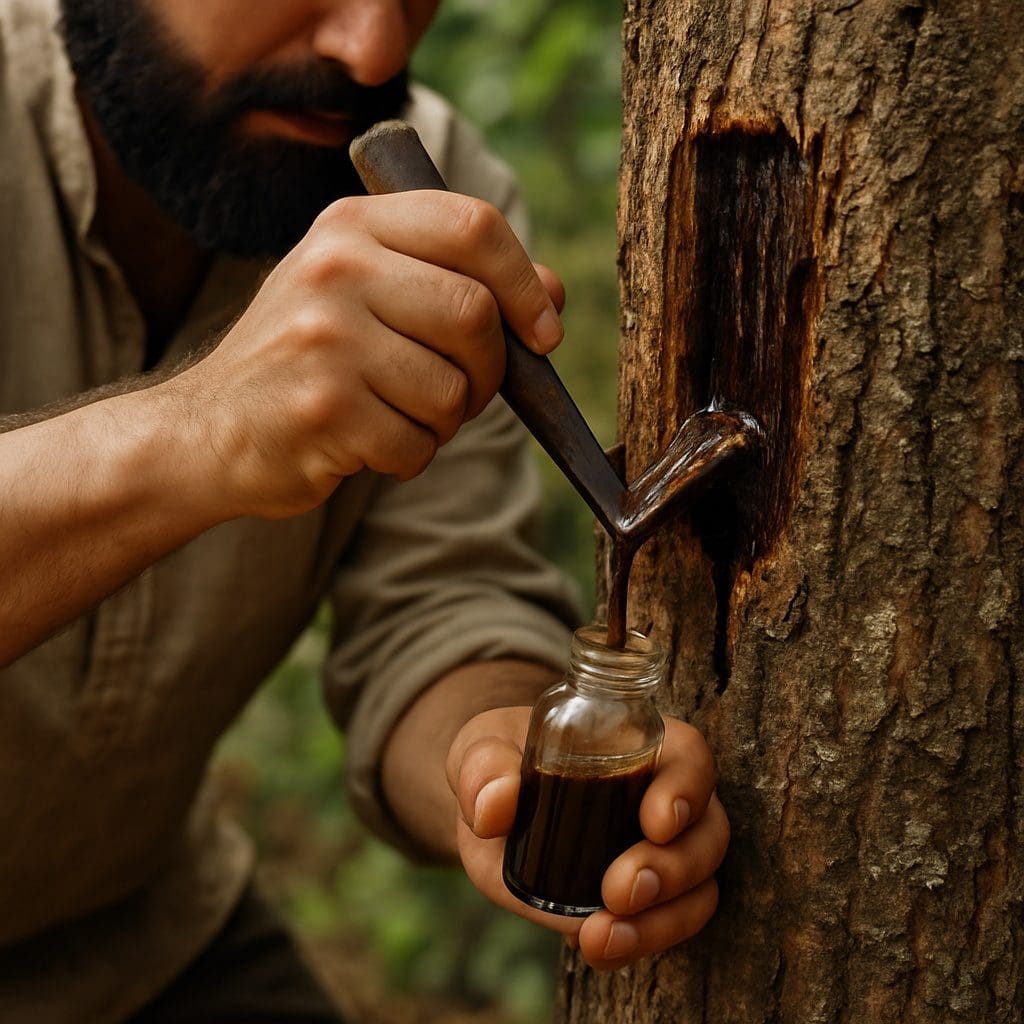
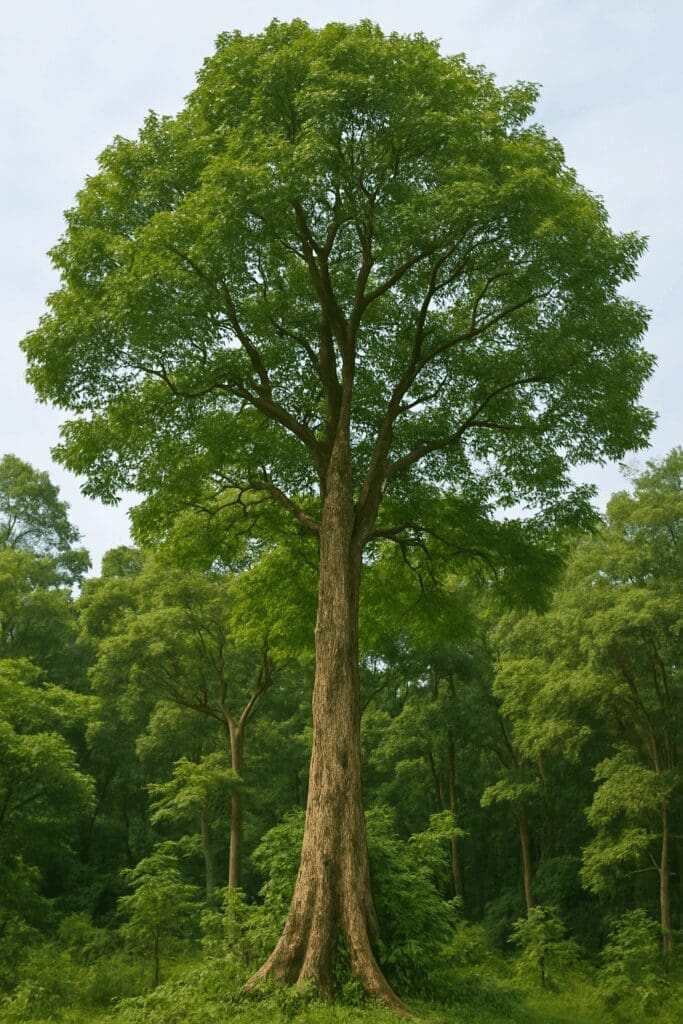
Oudh is the fragrant oil distilled from resin-rich agarwood, a rare heartwood that forms within certain species of the Aquilaria tree. Unlike most aromatic woods, agarwood does not naturally contain this dark resin. Instead, it develops only after the tree responds to specific forms of natural injury or microbial infection by producing a protective resin deep within its heartwood.
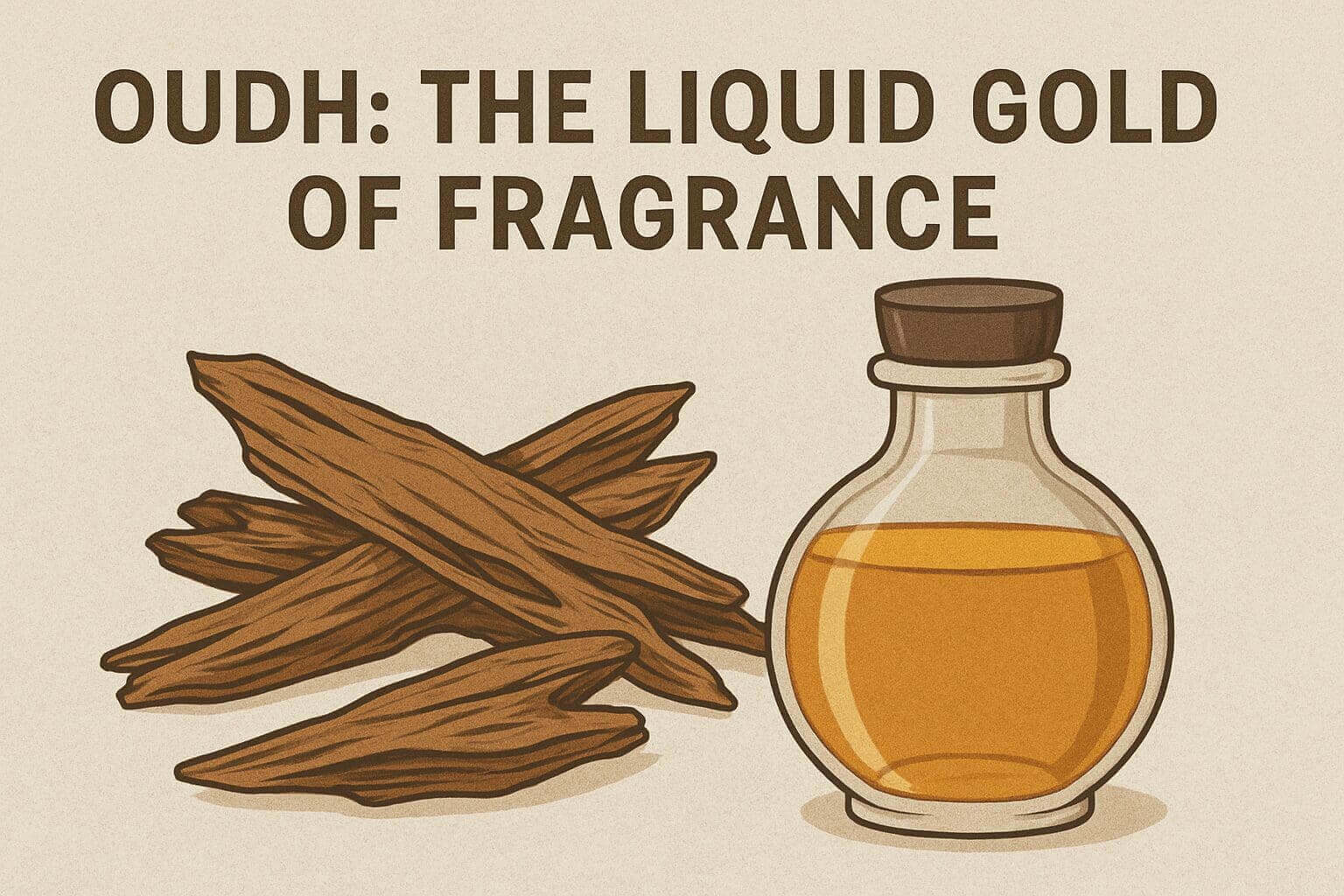
Over many years, this resin gradually transforms portions of the wood into the dense, aromatic material known as agarwood. When carefully distilled, it produces Oudh oil—a fragrance prized for its richness, complexity, and extraordinary depth.
Because only a small percentage of Aquilaria trees naturally produce resin of sufficient quality, genuine Oudh remains one of the rarest and most sought-after fragrance materials in the world.
How Oudh Is Formed
The creation of Oudh is unlike the production of nearly any other fragrance ingredient. Flowers can be harvested each season, herbs may be cultivated annually, and many aromatic plants are intentionally grown for perfume production. Oudh follows an entirely different path.
When an Aquilaria tree experiences certain natural stresses, it begins producing resin as part of its protective response. Over time, this resin slowly permeates portions of the heartwood, transforming pale wood into the dark, fragrant agarwood prized by artisans and perfumers.
This transformation cannot be rushed. Depending on the tree, environmental conditions, and the amount of resin produced, the process may take many years before the wood develops the characteristics necessary for harvesting and distillation. This combination of rarity, patience, and craftsmanship contributes significantly to Oudh’s enduring value.
Why Is Oudh So Valuable?
Oudh’s reputation is built upon far more than its fragrance alone. Its value reflects an extraordinary combination of rarity, time, craftsmanship, and cultural heritage.
- Natural rarity: Only a limited number of trees produce resin-rich agarwood suitable for high-quality Oudh.
- Years of development: The resin forms gradually over time, making patience an essential part of the process.
- Careful craftsmanship: Harvesting, grading, and distilling agarwood require exceptional knowledge and experience.
- Cultural significance: Oudh has been treasured for generations throughout the Middle East and Asia for personal fragrance, hospitality, ceremonies, and meaningful traditions.
For these reasons, genuine Oudh is often described as one of perfumery’s most precious materials. Its value lies not only in scarcity, but in the centuries of craftsmanship and tradition that surround it.
What Does Oudh Smell Like?
Describing Oudh is surprisingly difficult because no single description captures its complexity. While many fragrances present one dominant impression, Oudh reveals new dimensions as it develops on the skin or gently fills a room.
Many people first notice warm woody notes accompanied by soft smokiness. As the fragrance evolves, others may recognize hints of leather, earth, amber, spice, musk, balsamic sweetness, or subtle floral nuances. The exact character depends on numerous factors, including the origin of the agarwood, the distillation process, and the composition of the finished fragrance.
This remarkable complexity is one reason Oudh continues to fascinate experienced fragrance enthusiasts. Rather than remaining static, it unfolds gradually, rewarding patience with an ever-changing aromatic experience.
Oudh in Middle Eastern Fragrance Culture
Throughout much of the Middle East, Oudh represents far more than an ingredient in perfume. It has become part of everyday hospitality, personal presentation, family traditions, and cultural celebrations. Its presence often reflects generosity, respect, and appreciation for meaningful occasions.
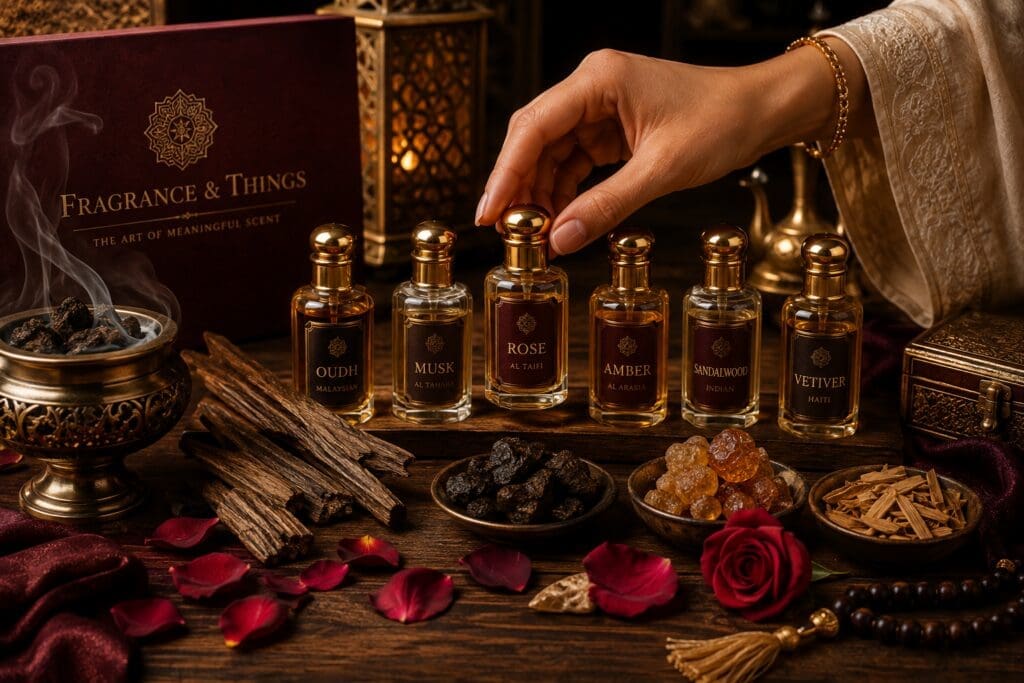
Oudh may be worn as a personal fragrance oil, enjoyed as part of home fragrance, experienced through bakhoor, or appreciated during special gatherings. In many households, preparing a space with fragrant smoke before welcoming guests remains a cherished expression of hospitality that has been passed from one generation to the next.
Traditional and Contemporary Oudh
Although Oudh has been treasured for centuries, its place in modern perfumery continues to evolve. Today, fragrance houses around the world interpret Oudh in different ways, introducing new audiences to one of perfumery’s most remarkable ingredients while honoring the traditions that first made it legendary.
Traditional Middle Eastern Oudh compositions often celebrate the ingredient’s natural richness and complexity. Modern interpretations may pair Oudh with citrus, florals, vanilla, or fresh woods to create fragrances that appeal to a wider range of preferences. Neither approach is inherently better than the other—they simply represent different artistic expressions of the same extraordinary material.
Whether experienced in a traditional fragrance oil or a contemporary perfume composition, Oudh continues to be admired for its remarkable ability to add depth, warmth, and character to a fragrance.
How to Experience Oudh
One of the qualities that makes Oudh so fascinating is its versatility. It can be appreciated in several different forms, each offering a unique experience.
Wear It as a Fragrance Oil
Apply a small amount of Oudh oil to your pulse points, such as the wrists or behind the ears. As your skin warms the fragrance, different facets gradually emerge throughout the day, revealing the complexity that makes Oudh so distinctive.
Enjoy It as Home Fragrance
Oudh may also be experienced through bakhoor, incense, or carefully blended home fragrance products. Many families use these traditions to create a welcoming atmosphere for guests or to enrich moments of quiet reflection.
Explore Fragrance Layering
Oudh pairs beautifully with many fragrance families. Depending on the composition, it can add warmth to florals, richness to spices, depth to woods, or elegance to musk-based fragrances. Layering allows you to create a fragrance experience that reflects your own preferences and style.
Tip: Genuine Oudh is often appreciated in small amounts. A modest application allows its character to unfold naturally without overwhelming the senses.
Why Oudh Continues to Inspire
Few fragrance ingredients have earned the admiration that Oudh enjoys across generations and cultures. For some people, it recalls treasured family traditions. For others, it represents refinement, craftsmanship, or the excitement of discovering an entirely new fragrance experience.
Its enduring appeal comes from more than rarity alone. Oudh invites exploration. Every origin, every distillation, every composition, and every wearer contributes something unique to the experience. Rather than offering a single impression, Oudh rewards patience, curiosity, and repeated discovery.
The Fragrance Intelligence Perspective
Within the Fragrance Intelligence framework, Oudh represents far more than a fragrance ingredient. It demonstrates how craftsmanship, tradition, personal experience, and identity come together in a single aromatic material.
Every encounter with Oudh passes through the Fragrance Perception Layers. The chemistry of the oil is detected by the senses, interpreted through personal experience, connected to emotion, and ultimately woven into identity and memory. This is why one person’s first experience with Oudh can become another person’s lifelong signature fragrance.
Oudh also illustrates the many Fragrance Intentions explored throughout the Knowledge Library. It may accompany moments of hospitality, quiet reflection, important celebrations, or become a fragrance that expresses confidence and personal presence. The meaning of Oudh is ultimately shaped by the experiences you create with it.
Frequently Asked Questions
Is Oudh the same as agarwood?
Not exactly. Agarwood is the resin-rich wood that forms within certain Aquilaria trees. Oudh is the aromatic oil distilled from that valuable wood.
Why is genuine Oudh so expensive?
Its value reflects natural rarity, years of resin formation, careful harvesting, skilled distillation, and centuries of craftsmanship. These factors make authentic Oudh one of perfumery’s most prized ingredients.
Does every Oudh smell the same?
No. Origin, tree species, resin quality, distillation methods, and blending all influence the final aroma. This diversity is one reason Oudh remains so fascinating to fragrance enthusiasts.
Is Oudh suitable for beginners?
Absolutely. While some traditional Oudh fragrances are bold and complex, many modern compositions introduce Oudh through balanced blends that make it approachable for those experiencing it for the first time.
Continue Your Journey
Continue Your Fragrance Journey
Every article in the Fragrance & Things Knowledge Library is designed to help you discover, understand, and experience the world of Middle Eastern fragrance with confidence.
Discover Yourself
Discover the fragrance family that best reflects your personality, preferences, and the experiences you wish to create.
Take the Fragrance Identity Quiz →Continue Exploring
Experience Oudh
Now that you’ve discovered the story behind Oudh, explore authentic Oudh fragrances inspired by centuries of Middle Eastern craftsmanship and tradition.
Explore the Oudh Collection →Oudh has remained treasured for centuries because it offers something increasingly rare in today’s world: authenticity shaped by time, craftsmanship, and tradition. Its story begins deep within the heart of a tree, but it reaches far beyond fragrance alone. Whether experienced through hospitality, personal fragrance, quiet reflection, or celebration, Oudh continues to remind us that the world’s most memorable aromas are those that become part of our own stories.