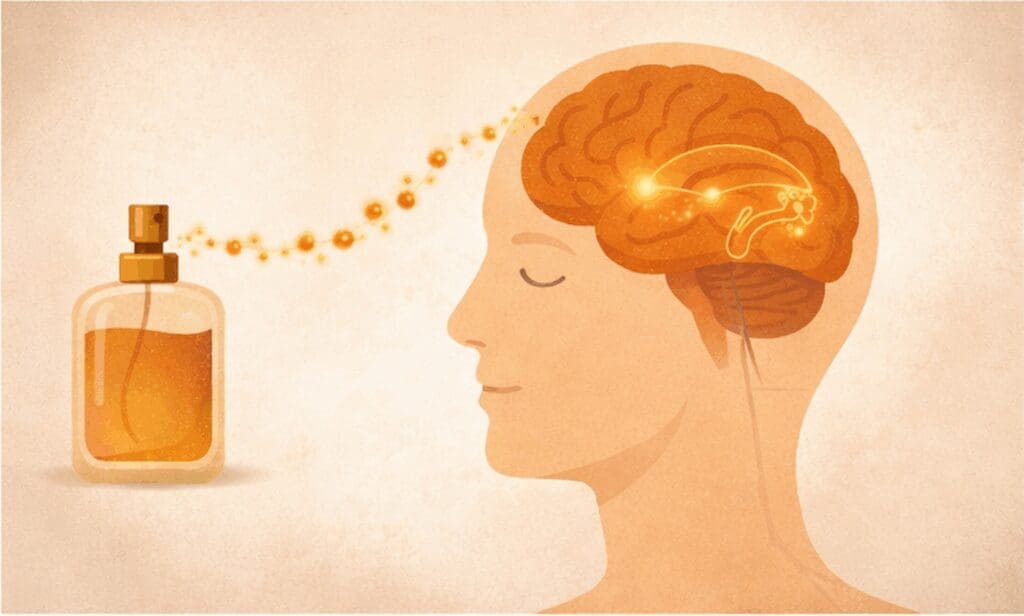
Oudh, Musk & Bakhoor: Ramadan Fragrance Traditions
How Personal Fragrance, Home Atmosphere, Hospitality, and Memory Come Together During the Month
Ramadan has a distinct sensory rhythm.
There are familiar foods, changing routines, evening gatherings, quiet moments, and the atmosphere of homes preparing for iftar, family, and reflection.
For many fragrance lovers, scent becomes part of that rhythm too.
Oudh may be worn personally. Musk may become part of a familiar daily fragrance routine. Bakhoor may be burned before guests arrive or during an evening at home.
These traditions overlap, but they are not interchangeable.
Ramadan fragrance is not one single ritual. It can be personal, environmental, social, and deeply connected to memory.
Understanding the different roles of Oudh, musk, and Bakhoor helps preserve the richness of the tradition without reducing everything to one idea of “spiritual fragrance.”
Oudh: Depth, Character, and Personal Fragrance
Oudh, also spelled oud, is associated with agarwood and is one of the most recognizable aromatic references in Middle Eastern fragrance traditions.
It may appear in fragrance oils, perfumes, burning materials, and compositions that combine woods, amber, rose, musk, spice, or other aromatic elements.
Oudh is often described as deep, woody, resinous, smoky, rich, earthy, or commanding, but no single description applies to every Oudh fragrance.
During Ramadan, an Oudh fragrance may become part of personal preparation for an evening gathering, a familiar family tradition, or a special scent reserved for meaningful occasions.
The fragrance does not create the significance of the moment. Its meaning develops because it becomes associated with the people, places, and experiences around it.
Musk: Familiarity, Closeness, and Personal Wear
Musk is another important reference across Middle Eastern fragrance traditions, but the word can describe a wide range of scent styles.
Some musk fragrances feel soft and intimate. Others may feel clean, powdery, warm, floral, sweet, or more structured.
Because musk can sit close to the skin, many people enjoy it as a personal fragrance during quiet routines or everyday wear.
During Ramadan, a familiar musk may become connected with personal reflection, preparing for prayer, evening routines, or simply the feeling of the season.
But musk should not be presented as automatically calming, purifying, or spiritually meaningful.
Its meaning comes from the complete fragrance and the experience surrounding it.
Bakhoor: Fragrance for the Home and Shared Space
Bakhoor plays a different role.
Rather than being worn on the body, Bakhoor generally refers to fragranced wood chips or aromatic blends prepared for burning so the aroma can move through a room.
This makes Bakhoor especially connected with home atmosphere, hospitality, gathering, and environmental fragrance.
During Ramadan, some people may burn Bakhoor before guests arrive, before iftar, or during an evening at home.
The goal is not to produce as much smoke as possible.
The goal is to create the level of fragrance presence that fits the space, the people, and the moment.
If you are new to the practice, begin with How to Burn Bakhoor at Home Safely.
Three Different Roles for Ramadan Fragrance
Three Ways Fragrance Can Appear During Ramadan
PERSONAL
Fragrance oil worn on the body as part of personal preparation, daily wear, or a recurring routine.
ENVIRONMENTAL
Bakhoor, Oudh chips, or another home fragrance used to shape the atmosphere of a room or gathering space.
SOCIAL
Fragrance becoming part of hospitality, gathering, family tradition, and the way a home welcomes others.
These roles can overlap, but separating them helps clarify what the fragrance is actually doing within the experience.
Fragrance and Hospitality During Ramadan
Hospitality is one of the places where fragrance can become especially memorable.
A home may be prepared before guests arrive. Food is arranged. Lighting changes. Tables are set. Rooms are made ready.
Fragrance can become part of that preparation.
This is what we call Scented Hospitality: using fragrance intentionally as part of the way a space welcomes people.
That may include:
- burning a small amount of Bakhoor before guests arrive;
- allowing the fragrance to settle before the room becomes crowded;
- keeping ventilation comfortable;
- choosing a fragrance presence that suits the size of the space;
- respecting guests who may be sensitive to smoke or strong aroma.
The fragrance should support the welcome rather than dominate it.
Why These Fragrances Can Become Part of Ramadan Memory
Oudh, musk, and Bakhoor can also become powerful memory cues when they appear repeatedly during meaningful experiences.
A musk worn every evening may later remind someone of a particular Ramadan routine.
An Oudh fragrance may become associated with family gatherings or special nights.
Bakhoor may become inseparable from the memory of a particular home, iftar table, or family tradition.
At Fragrance & Things, we call a scent that becomes strongly connected to a meaningful person, place, tradition, life chapter, experience, or emotional state a Fragrance Anchor™.
The fragrance does not store the memory. The meaning develops because scent and experience repeatedly meet.
For more on this, read Why Scent Can Trigger Powerful Memories During Ramadan.
Tradition Is Not a Fragrance Identity™
Because Oudh, musk, and Bakhoor are deeply associated with Middle Eastern fragrance traditions, it is easy to make another mistake: assuming that the material automatically determines the Fragrance Identity™.
Tradition Does Not Determine Identity by Itself
OUDH
Oudh does not automatically make a fragrance Royal Oudh.
MUSK
Musk does not automatically make a fragrance Soft Musk.
BAKHOOR
Using Bakhoor does not automatically make an experience Sacred Ritual.
Fragrance Identity™ is based on the complete fragrance experience: composition, real-world behavior, balance, emotional role, presence, character, and the approved F&T interpretation.
Tradition can provide context.
It does not replace classification.
Personal Fragrance and Home Fragrance Should Be Chosen Differently
Someone choosing a fragrance oil for personal wear is making a different decision from someone choosing Bakhoor for the home.
For personal fragrance, you may consider:
- how the fragrance behaves on your skin;
- whether the character feels natural to you;
- how close or expressive you want the fragrance to feel;
- the setting in which you plan to wear it.
For home fragrance, consider:
- room size;
- ventilation;
- the purpose of the gathering;
- the number of people sharing the space;
- how much fragrance presence feels appropriate.
This difference is important because fragrance becomes more intentional when the format matches the experience.
Ramadan Fragrance Should Support the Moment
Ramadan fragrance traditions can be meaningful without turning fragrance into a spiritual mechanism.
Oudh does not create devotion.
Musk does not create stillness.
Bakhoor does not transform a room into a sacred space simply by being burned.
What fragrance can do is become part of the sensory environment surrounding meaningful experiences.
Fragrance can accompany tradition. It should not be mistaken for the source of tradition’s meaning.
Choose the Role Before the Fragrance
If you want fragrance to become part of your Ramadan experience, start by deciding what role it should play.
Choose the Role First
PERSONAL WEAR
Choose a fragrance oil that feels appropriate for the moment and comfortable on your skin.
QUIET ROUTINE
Choose a fragrance you genuinely enjoy and allow it to become part of a recurring reflective moment.
HOSPITALITY
Choose Bakhoor or another environmental fragrance suited to the space and the people gathering there.
MEMORY & TRADITION
Return to a familiar aroma already connected with family, place, or Ramadan experience—or allow a new fragrance association to develop naturally.
Where Oudh, Musk, and Bakhoor Fit in the Larger Fragrance Journey
These three fragrance references can teach us something larger about Middle Eastern perfumery.
Fragrance is not limited to what is worn on the body.
It can move between:
- personal identity;
- home atmosphere;
- family tradition;
- hospitality;
- memory;
- celebration;
- quiet routine.
That breadth is part of what makes Middle Eastern fragrance culture so rich.
The same aromatic world can be worn, burned, shared, remembered, and passed from one generation to another—while each experience remains distinct.
A Tradition Becomes Meaningful Through the People Who Carry It
Oudh, musk, and Bakhoor can all become part of Ramadan experience.
But their significance does not come from marketing language or from assigning one fixed emotional role to each material.
The significance comes from use.
From family.
From hospitality.
From repetition.
From memory.
And from the experiences that give fragrance a place within a person’s life.
Fragrance traditions endure because people continue giving them meaning.
If you want to continue exploring these traditions, read Bakhoor vs. Oud, Sacred Scents & Stillness, and Why Scent Can Trigger Powerful Memories During Ramadan.
The Fragrance & Things Knowledge Journey
Personal Fragrance.
Home Atmosphere. Shared Tradition.
Oudh, musk, and Bakhoor reveal how fragrance can move beyond a single bottle—into personal wear, hospitality, atmosphere, memory, and the traditions carried through a home and community.
Continue Learning
UNDERSTAND OUDH & BAKHOOR
RAMADAN RITUAL
RAMADAN MEMORY
Explore Personal Fragrance
Discover fragrance oils for personal wear and choose the scent experience that feels most appropriate for your own Ramadan moments.
Explore Fragrance Oils →Explore Fragrance for the Home
Explore Bakhoor for hospitality, gathering, atmosphere, and the home-fragrance traditions that can become part of Ramadan memory.
Explore Bakhoor →