The History of Oudh Oil: The Liquid Gold of Fragrance
Few scents command as much reverence and intrigue as oudh oil — often referred to as liquid gold. Known for its deep, woody, and resinous aroma, oudh (also spelled oud) has enchanted royalty, perfumers, and mystics for thousands of years. But where did this luxurious fragrance originate, and why does it hold such a sacred place in perfumery today?
What is Oudh?
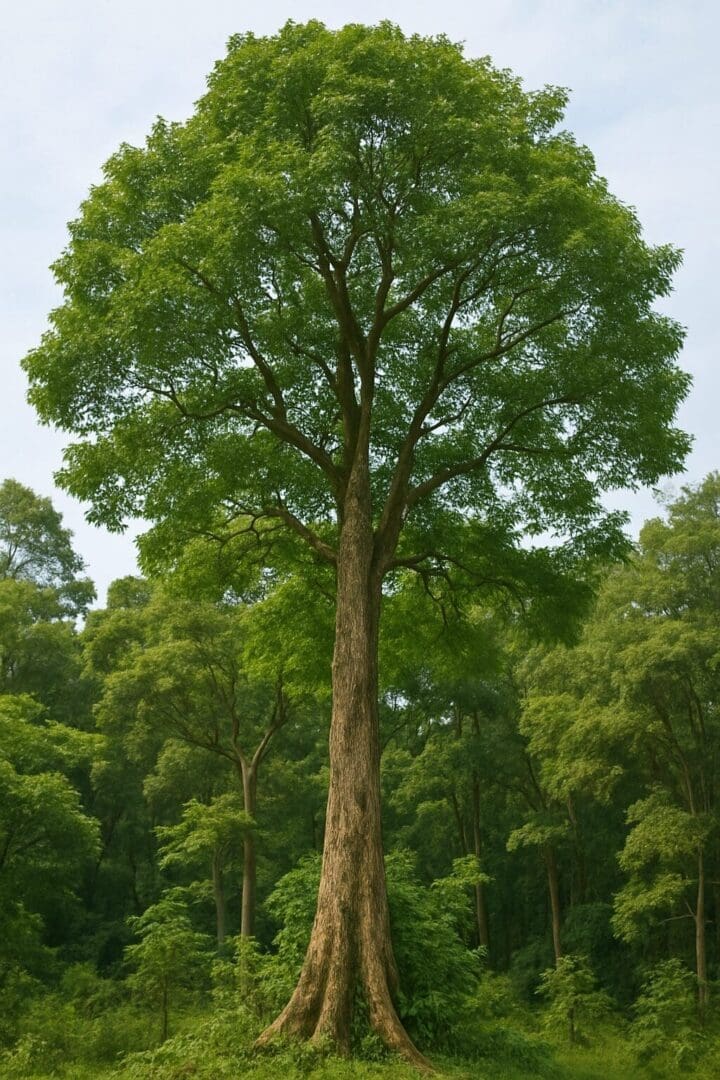
Oudh oil is derived from the resinous heartwood of the Aquilaria tree, a rare species native to Southeast Asia. When the tree becomes infected with a specific type of mold, it produces a dark, aromatic resin as a defense mechanism. This resin is what gives oudh its distinctive and powerful scent.
Producing pure oudh oil is a slow, labor-intensive, and highly specialized process, which is why it is among the most expensive natural oils in the world.
Ancient Origins
Southeast Asia & India
The earliest records of oudh date back more than 3,000 years, with mentions in Sanskrit texts and ancient Chinese medical journals. In India, it was used for Ayurvedic healing and spiritual rituals.
Middle Eastern Reverence
Oudh’s use spread through trade into the Arabian Peninsula, where it became deeply embedded in Islamic culture. It is said that the Prophet Muhammad (PBUH) loved the scent of oudh, and it’s referenced multiple times in Hadith literature.
Oudh was burned as incense (bakhoor), used to scent clothing, and worn as oil for ceremonial and daily grooming.
Royal and Religious Significance
Oudh oil was a luxury good reserved for royalty and spiritual leaders. Ancient Egyptian pharaohs were buried with it, and it adorned the halls of mosques and palaces alike. In Islamic culture, oudh is often used during Friday prayers, Ramadan, and Eid celebrations.
Even today, the scent of oudh is associated with spiritual purity, status, and refinement.
Oudh in Modern Perfumery
In recent decades, oudh has transcended regional borders and entered the global fragrance industry. Luxury perfume houses like Dior, Tom Ford, and Armani have embraced it, creating oudh-based compositions that appeal to both traditional and modern tastes.
There are now two main types of oudh oil in the market:
- Pure Oudh (Dehn Al Oudh) – Natural and undiluted oil, highly valued and costly.
- Synthetic Oudh – Lab-created replicas used in mass-market perfumes for affordability.
Regional Variations
Each region produces a slightly different type of oudh, depending on climate, soil, and tree species:
- Cambodian Oudh – Sweet, rich, and smooth.
- Indian Oudh (Assam) – Bold, leathery, and potent.
- Thai & Laotian Oudh – Lighter and more fruity.
- Omani & Emirati blends – Often mixed with rose, saffron, or amber.
Final Thoughts
From ancient rituals to luxury boutiques, oudh oil has stood the test of time. Its scent tells a story — one of sacred traditions, royal indulgence, and timeless allure. Whether you wear it in pure form or as part of a modern blend, oudh connects you to a rich cultural legacy that spans continents and centuries.