The Timeless Legacy of Oudh Oil in the Ancient World
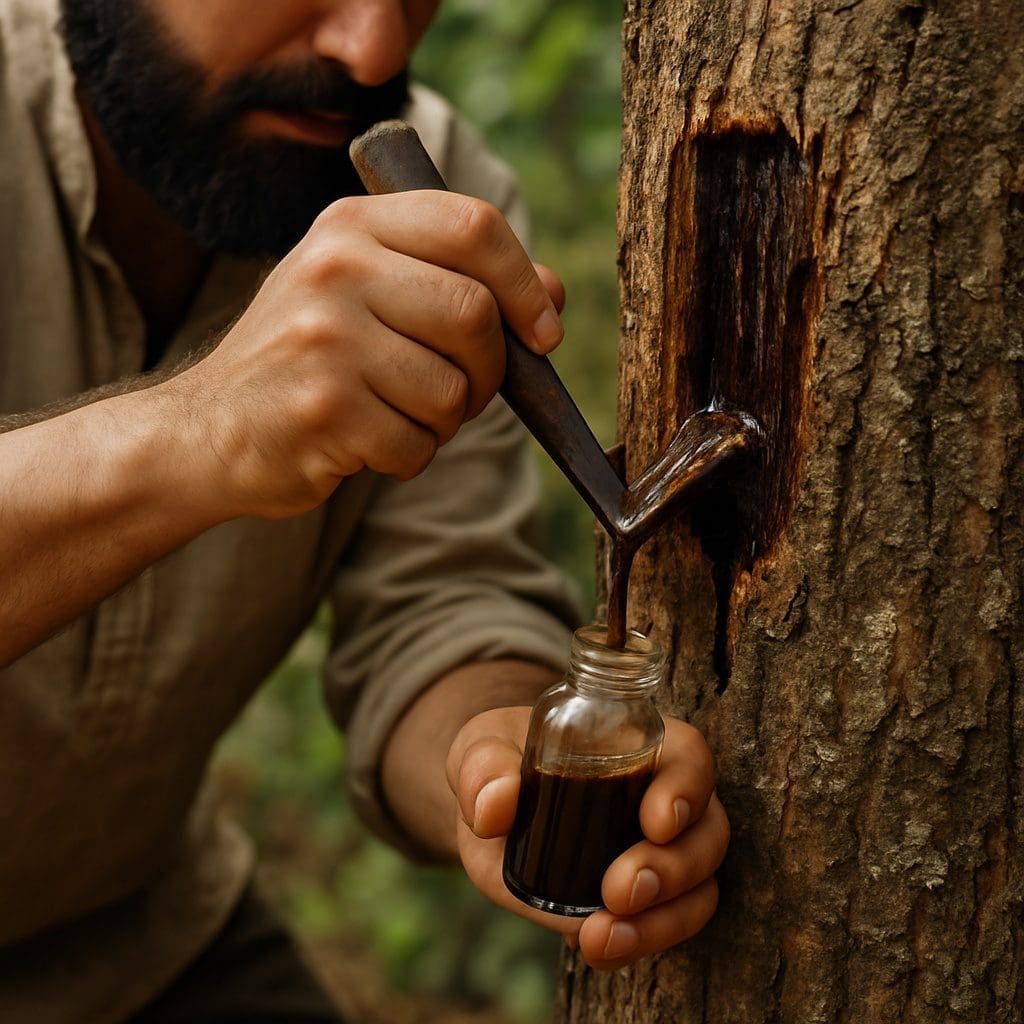
Oudh oil—also known as agarwood oil—is one of the rarest and most treasured natural substances in human history. Extracted from the resinous heartwood of the Aquilaria tree, which becomes infused with a dark, fragrant resin only after being naturally infected by a specific mold, oudh has captivated civilizations for millennia. Its history is as rich and complex as its intoxicating scent, weaving through ancient cultures across Asia, the Middle East, and beyond.
The earliest recorded use of oudh dates back more than 3,000 years to ancient India and Southeast Asia. Hindu scriptures like the Vedas mention agarwood as a sacred material used in rituals, offerings, and incense. The oil was prized not only for its divine aroma but also for its perceived spiritual benefits—believed to calm the mind, awaken higher consciousness, and purify the atmosphere. Ayurvedic practitioners valued oudh for its therapeutic properties, using it in medicinal preparations to treat various ailments, including digestive and nervous system disorders.
As trade routes expanded across Asia and the Arabian Peninsula, oudh gained prominence in the Islamic world. It became a symbol of luxury and refinement, featured in royal courts, religious ceremonies, and perfumery. The Prophet Muhammad is said to have spoken highly of agarwood, further cementing its spiritual and cultural significance in Muslim communities. In ancient China, oudh was imported as early as the Tang Dynasty and used in elite households and temples, often as incense burned to elevate prayers and meditations.
In Egypt, oudh was included among the aromatic substances used in embalming and spiritual rites, aligning it with the divine and the afterlife. Its rich scent became associated with sanctity, royalty, and the transcendent—a notion that persisted across empires and centuries. The oil’s scarcity, complexity of extraction, and deep, resinous aroma made it one of the most valuable commodities of the ancient world—sometimes valued higher than gold by weight.
Today, oudh oil remains a symbol of tradition, opulence, and spiritual depth. Its ancient legacy continues to echo in modern perfumery, holistic wellness, and cultural rituals, serving as a fragrant link to a time when scent was sacred and nature’s gifts were revered.