Why Scent Can Trigger Powerful Memories During Ramadan
How Repetition, Emotion, and Fragrance Anchors™ Can Connect Scent With Meaningful Moments
Ramadan is filled with repeated moments.
Quiet mornings before the day begins. Familiar foods at iftar. Family gathering around the same table. Late evenings. Prayer. Reflection. Hospitality. The changing rhythm of the home.
These experiences are remembered through many senses at once.
We remember what we saw.
What we heard.
What we tasted.
And sometimes, very powerfully, what we smelled.
A fragrance does not preserve a memory inside itself. But when scent repeatedly appears during meaningful experiences, it can become closely associated with them.
That is one reason a familiar musk, Oudh, Bakhoor, or other fragrance may unexpectedly bring back a Ramadan from years earlier.
Why Ramadan Creates Strong Sensory Memories
Ramadan changes everyday patterns in ways that make the month feel distinct from the rest of the year.
The timing of meals changes.
Homes become active at different hours.
Families may gather more frequently.
Foods, sounds, clothing, prayer routines, home fragrance, and social traditions can repeat throughout the month.
Repeated experiences give the brain many opportunities to build associations.
When the same fragrance appears alongside those experiences, the scent can become one of the cues connected with them.
That connection may become especially meaningful when the experiences themselves are emotionally important.
How Scent Becomes Connected With Experience
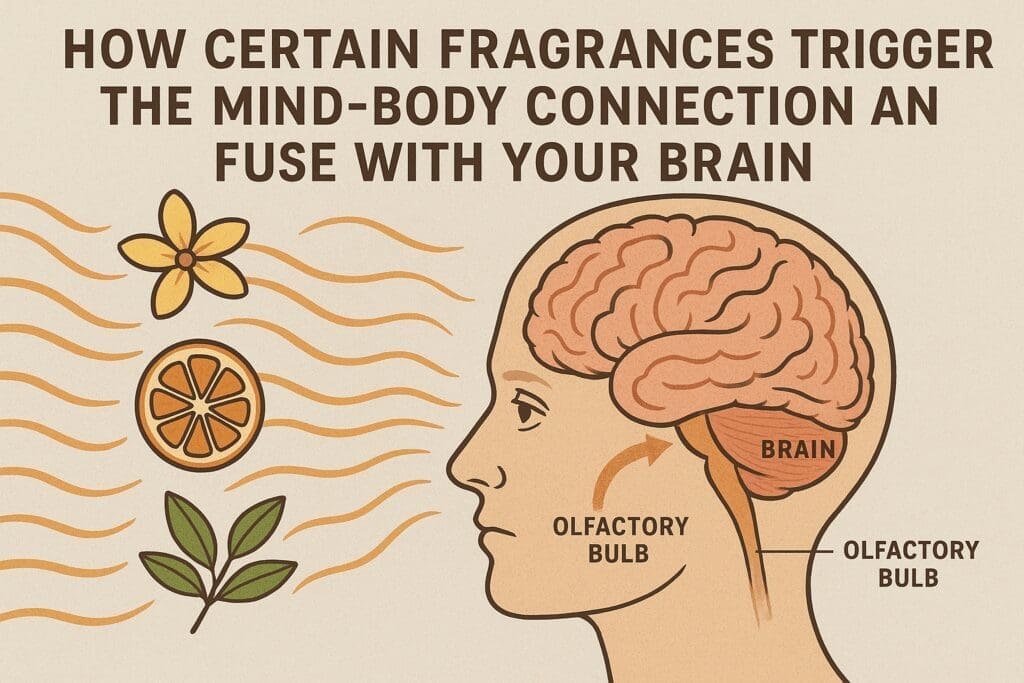
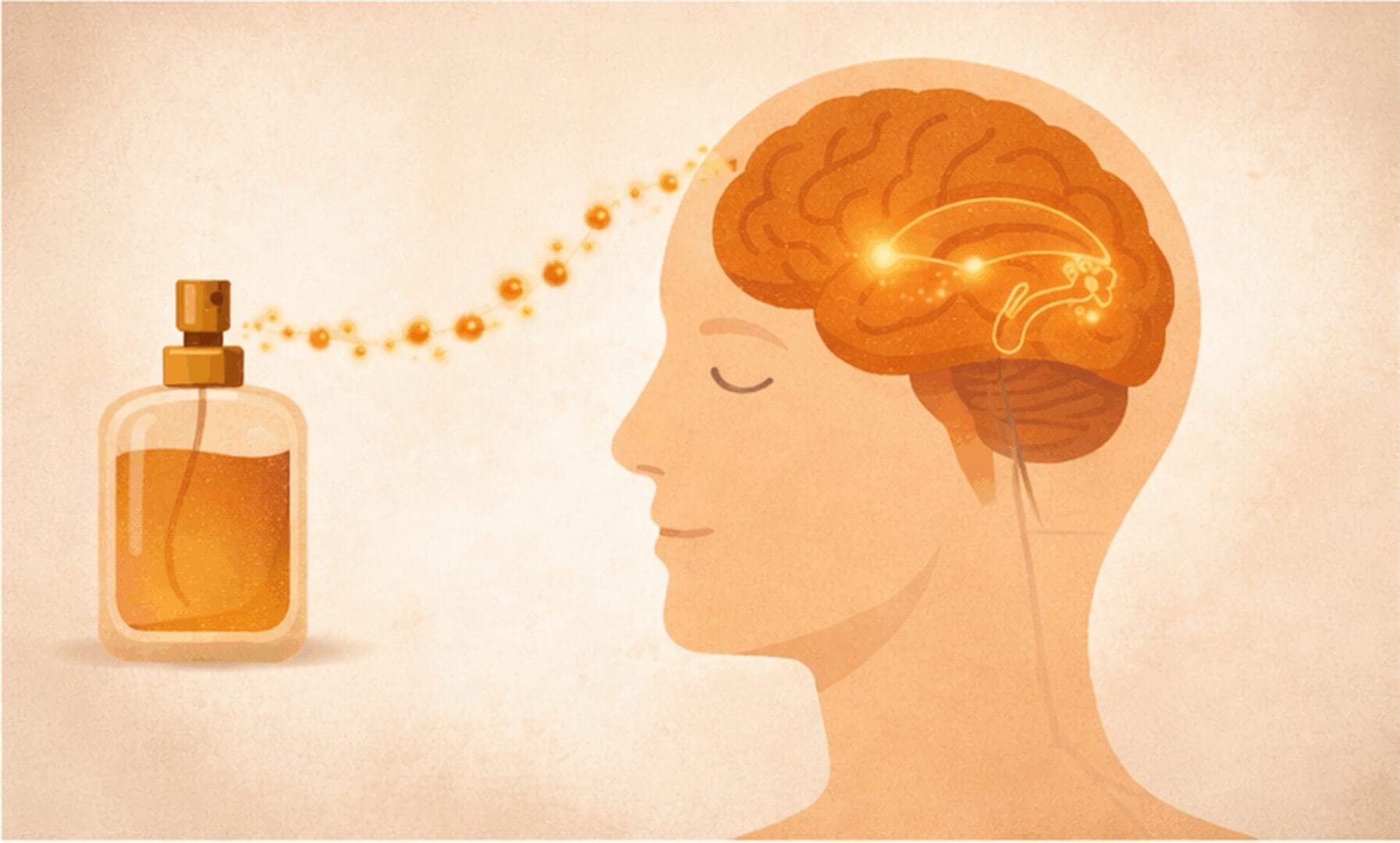
The sense of smell has a close relationship with brain systems involved in emotion and autobiographical memory.
But fragrance does not automatically create a meaningful memory just because you smell it repeatedly.
Meaning develops through association.
How Scent Can Become Part of a Memory
SCENT
↓
MEANINGFUL EXPERIENCE
↓
REPETITION OR EMOTIONAL SIGNIFICANCE
↓
ASSOCIATION
↓
MEMORY & MEANING
Later, encountering the scent again may help bring parts of the experience back to mind.
Sometimes that memory is vivid.
Sometimes it is only a feeling of familiarity.
Sometimes nothing dramatic happens at all.
Fragrance associations are personal, not guaranteed.
Fragrance Anchors™ During Ramadan
At Fragrance & Things, we use the term Fragrance Anchor™ for a scent that becomes strongly connected to a meaningful person, place, tradition, life chapter, experience, or emotional state.
Ramadan can create natural conditions for Fragrance Anchors™ because the month contains so many recurring experiences.
- A fragrance oil worn during quiet evening reflection may later remind you of those evenings.
- Bakhoor burned before iftar guests arrive may become associated with hospitality and family gathering.
- An Oudh fragrance reserved for special nights may become connected with a particular Ramadan chapter.
- A familiar home aroma may eventually remind children of the house in which they experienced Ramadan growing up.
The fragrance does not need to be rare or expensive.
What matters is the experience to which it becomes connected.
Why One Ramadan Can Smell Different From Another
Not every Ramadan creates the same fragrance memories.
Your surroundings may change.
Your family may change.
You may live in a different home, travel, develop new traditions, or discover completely different fragrance preferences.
The fragrance that defines one chapter may not define the next.
That does not make the earlier fragrance less meaningful.
It may simply belong to a different chapter.
A Fragrance Anchor™ can become a marker of a particular season of life rather than a fragrance you wear forever.
This connects with a broader Fragrance Intelligence™ principle: fragrance preferences and meanings can evolve as life changes.
For more on that idea, read Why Your Fragrance Preferences Change Over Time.
Personal Fragrance Creates a Different Kind of Memory Than Home Fragrance
Not all fragrance associations develop in the same way.
A personal fragrance oil stays close to the wearer.
It may become associated with your clothing, your skin, a personal routine, or the way someone remembers being near you.
Home fragrance is different.
Bakhoor, Oudh chips, or another environmental aroma can become connected to a room, household, gathering, or shared experience.
Two Ways Fragrance Can Become Part of Ramadan Memory
PERSONAL FRAGRANCE
May become associated with you, your clothing, a private routine, or a particular life chapter.
HOME FRAGRANCE
May become associated with family, hospitality, a particular room, iftar, celebration, or the atmosphere of the household.
Neither is inherently more meaningful.
They simply create different kinds of fragrance relationships.
How to Create the Conditions for a Fragrance Anchor™
You cannot force a fragrance to become a meaningful memory.
But you can create the conditions in which an association may naturally develop.
- Choose one fragrance you genuinely enjoy.
- Connect it with one recurring Ramadan moment.
- Use it lightly and consistently.
- Keep the experience meaningful without making fragrance the focus of the moment.
- Allow the association to develop naturally over time.
For example, you might choose one fragrance oil to wear during the same quiet period each evening.
Or reserve one Bakhoor profile for hospitality throughout the month.
The goal is not:
“I need this fragrance to make me remember Ramadan.”
The better approach is:
“I will let this fragrance accompany a meaningful experience and see what associations develop.”
The Role of Emotion
Emotion can make memories feel more significant, but that does not mean a fragrance needs to be attached only to dramatic moments.
Some of the strongest associations may develop around ordinary repetition:
- the smell of the home before iftar;
- a familiar fragrance on a parent’s clothing;
- the aroma present during late-night tea;
- the same personal oil worn while reading quietly;
- Bakhoor used before relatives arrive.
Meaning often emerges because those moments become important later.
Why Cultural Context Matters
Fragrance memories are also shaped by culture and tradition.
Bakhoor, Oudh, musk, rose, amber, and other aromatic references may already carry associations before a new personal memory is formed.
They may remind someone of:
- family homes;
- mosque or community environments;
- Ramadan evenings;
- Eid preparation;
- hospitality;
- travel;
- parents or grandparents;
- specific regional fragrance traditions.
Those cultural associations can combine with new personal experiences, giving a fragrance several layers of meaning at once.
What Happens When Ramadan Ends?
A fragrance association may remain even after the routine disappears.
You may put the fragrance away for months.
Then encounter it unexpectedly.
And suddenly remember:
the room;
the people;
the meals;
the atmosphere;
or simply the feeling of that particular year.
Sometimes the memory is detailed.
Sometimes it is only a quiet sense of recognition.
Both can be meaningful.
What the Science Does—and Does Not—Say
Research on odor-evoked autobiographical memory supports the idea that scent can sometimes cue emotionally vivid memories and create a strong subjective sense of being brought back to an earlier experience.
But that does not mean:
- scent is always the strongest memory trigger;
- every repeated fragrance becomes a permanent memory;
- one aroma can recreate an emotional experience perfectly;
- fragrance preserves memories more accurately than other senses;
- a person can guarantee a Fragrance Anchor™ simply by wearing the same scent repeatedly.
The science gives us a reason to take scent-memory associations seriously.
It does not give us permission to turn them into guarantees.
For the broader neuroscience, read The Science of Scent: How Fragrance Connects With Mood, Memory, and the Brain.
A Simple Ramadan Fragrance Memory Practice
If you want to explore this idea for yourself, keep the practice simple.
One Scent. One Moment. One Month.
1. CHOOSE
Select one fragrance you genuinely enjoy.
2. CONNECT
Pair it with one recurring Ramadan moment.
3. REPEAT
Use it consistently without overapplying or making fragrance the center of the experience.
4. NOTICE
When Ramadan ends, step away from the fragrance for a while. Later, return to it and notice what—if anything—it brings back to mind.
There is no required outcome.
The value is in noticing how fragrance and experience interact.
The Fragrance May Fade. The Association May Remain.
Ramadan memories are not created by fragrance alone.
They come from people.
Places.
Prayer.
Food.
Conversation.
Change.
Tradition.
And ordinary moments that become precious only after they have passed.
Fragrance can become one thread woven through those experiences.
And years later, encountering that thread again may help us find our way back to part of the story.
A fragrance does not preserve Ramadan. But Ramadan can give a fragrance a meaning that lasts far beyond the month itself.
If you want to explore how fragrance can accompany reflection and hospitality during the month, continue with Sacred Scents & Stillness.
The Fragrance & Things Knowledge Journey
Scent. Memory.
A Ramadan Chapter.
Fragrance becomes meaningful when it joins real experience. During Ramadan, repeated routines, shared traditions, and emotionally significant moments can give scent a place within the memories we carry forward.
Continue Learning
UNDERSTAND THE SCIENCE
BUILD A REFLECTIVE ROUTINE
UNDERSTAND HOW PREFERENCES EVOLVE
Choose a Fragrance for This Ramadan Chapter
Explore fragrance oils and choose an aroma you genuinely enjoy—then allow experience, repetition, and memory to give it meaning naturally.
Explore Fragrance Oils →Create Memories in the Home
Explore Bakhoor for hospitality and home fragrance experiences that may become connected with family gatherings, iftar, and the atmosphere of Ramadan.
Explore Bakhoor →